What happened on September 21
All 5 specimens from this file, spanning 1780 to 1942, with the story behind each photograph.
Reveal the full answer key
-
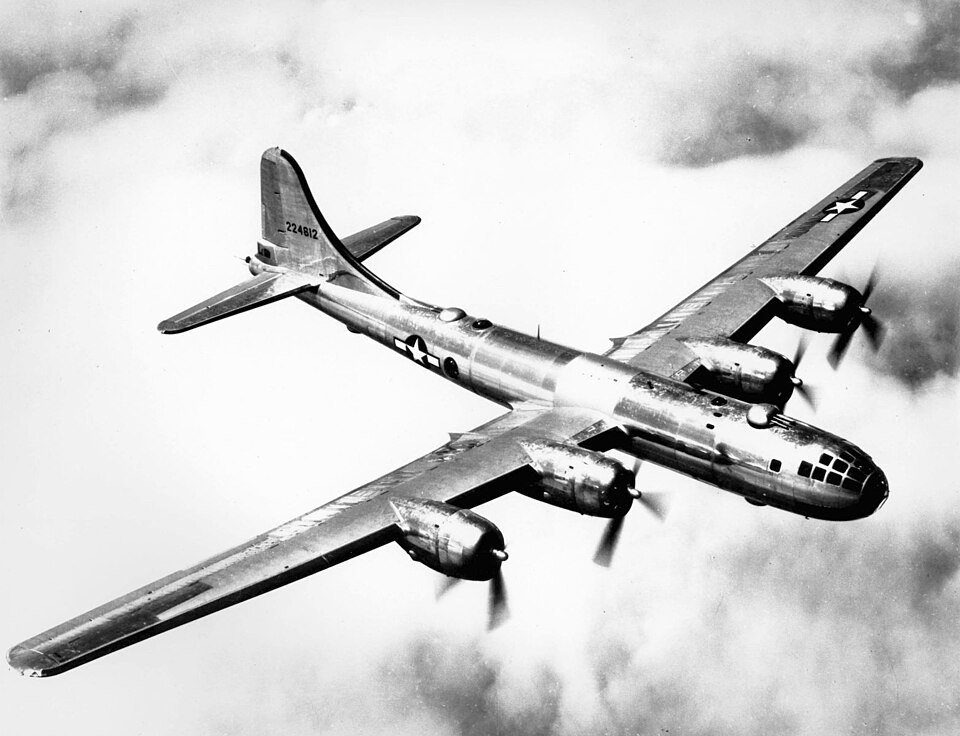
The most expensive weapon of the war makes its first flight
The B-29 flew for the first time on 21 September 1942. It had a pressurised cabin, remote-controlled gun turrets and a range no other bomber could match, and it cost the United States around three billion dollars to develop, more than the atomic bomb programme. The prototype programme was so troubled that the second aircraft crashed and killed its crew.
-
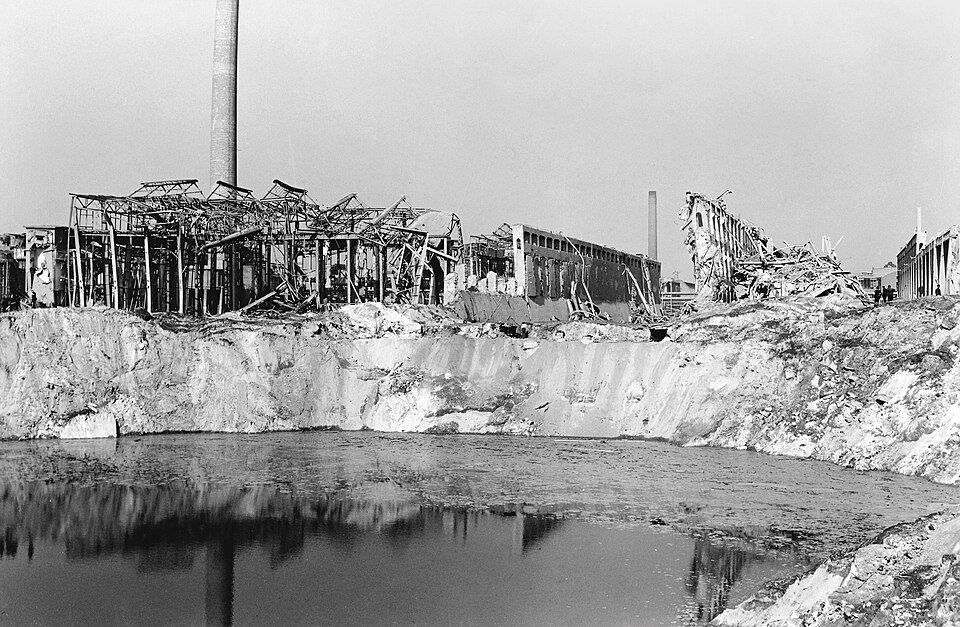
A fertiliser store explodes and leaves a crater the size of a lake
Workers at the Oppau plant in Germany routinely loosened caked fertiliser with small dynamite charges, and had done so thousands of times safely. On 21 September 1921 the mixture detonated, killing more than 500 people and leaving a crater about 90 metres across. The blast was heard 300 kilometres away.
-
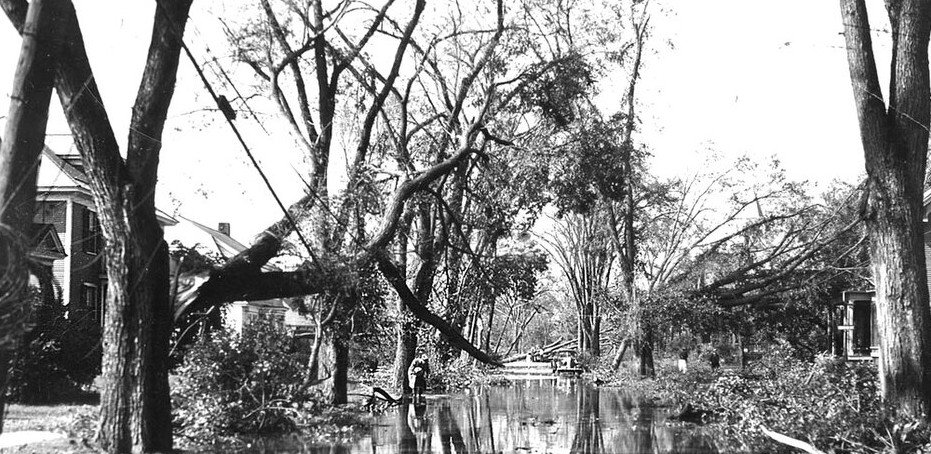
A hurricane arrives without warning and kills hundreds in New England
The hurricane of 21 September 1938 came ashore on Long Island at around 50 miles an hour of forward speed, faster than almost any storm on record, and hit New England with almost no warning. Around 700 people died. It knocked down an estimated two billion trees, and a wave of cheap salvaged timber depressed the lumber market for years.
-
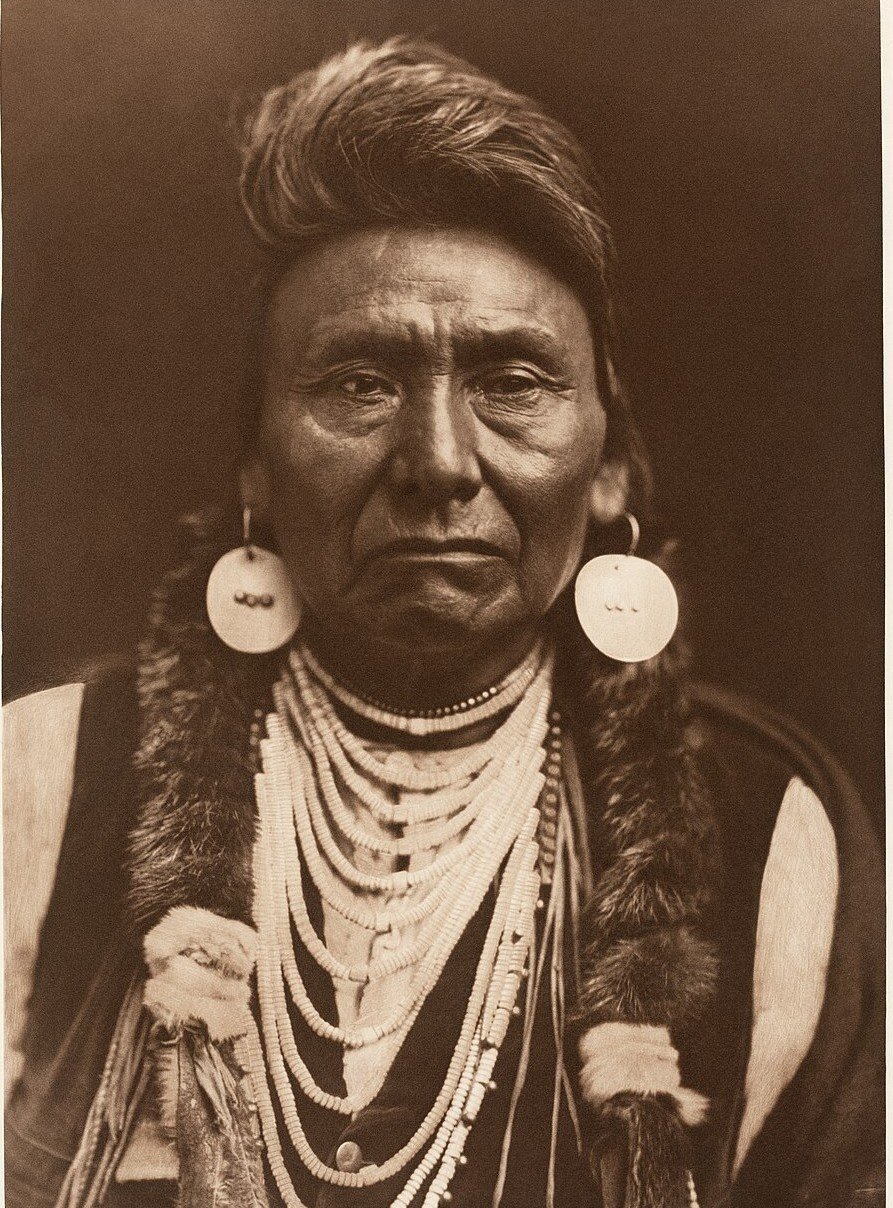
A chief who led his people on a 1,100 mile flight dies in exile
Chief Joseph of the Nez Perce died on 21 September 1904, on a reservation far from his home valley. In 1877 he had led about 750 people, most of them women and children, on a fighting retreat of some 1,100 miles before surrendering forty miles short of the Canadian border. His agency doctor gave the cause of death as a broken heart.
-
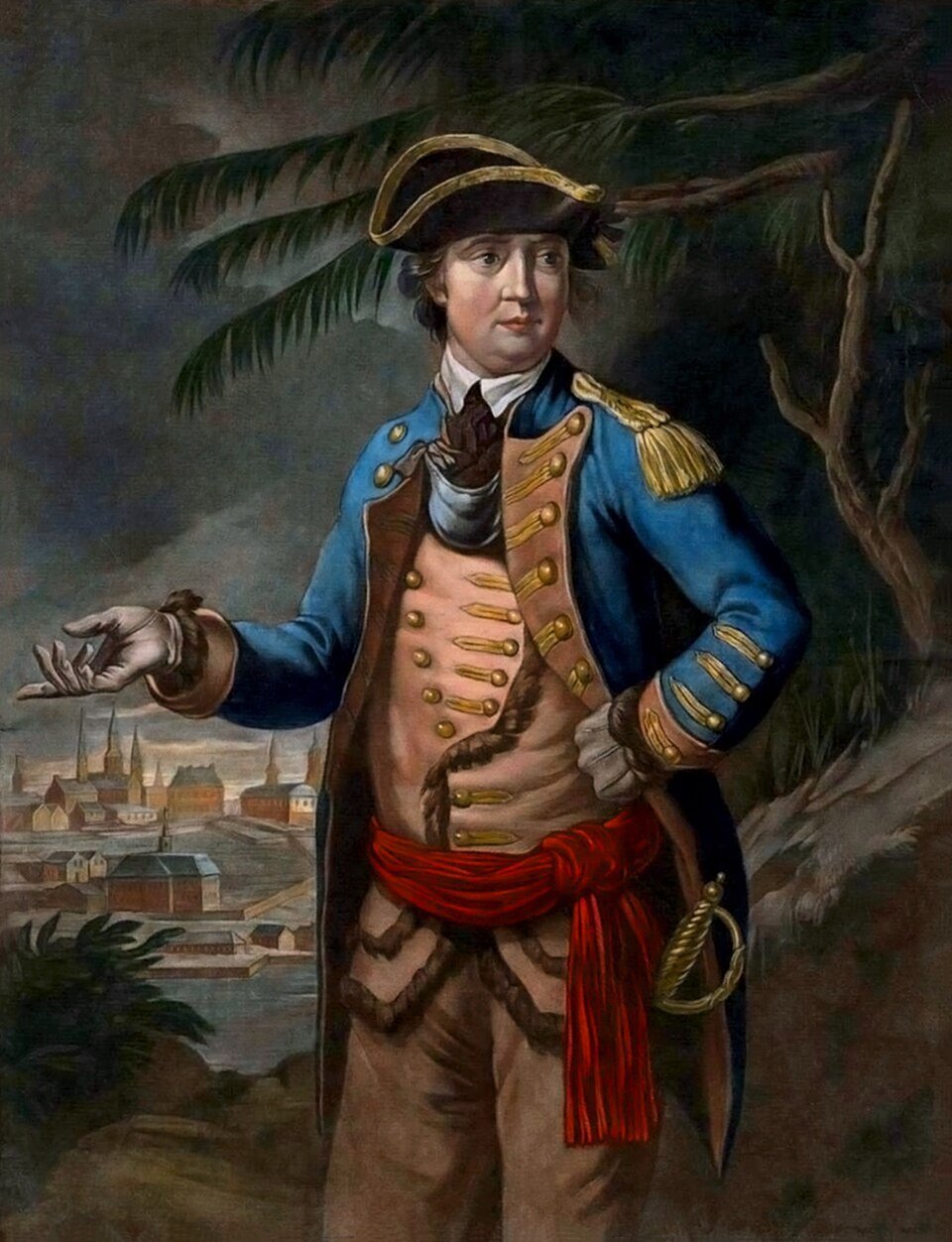
A celebrated general is exposed as a traitor and flees to the enemy
Benedict Arnold met the British officer John Andre on the night of 21 September 1780 to hand over the plans of West Point for 20,000 pounds. Andre was caught with the papers in his boot days later and hanged. Arnold escaped to the British side, and his name has been American shorthand for traitor ever since.