What happened on September 22
All 5 specimens from this file, spanning 1791 to 1961, with the story behind each photograph.
Reveal the full answer key
-
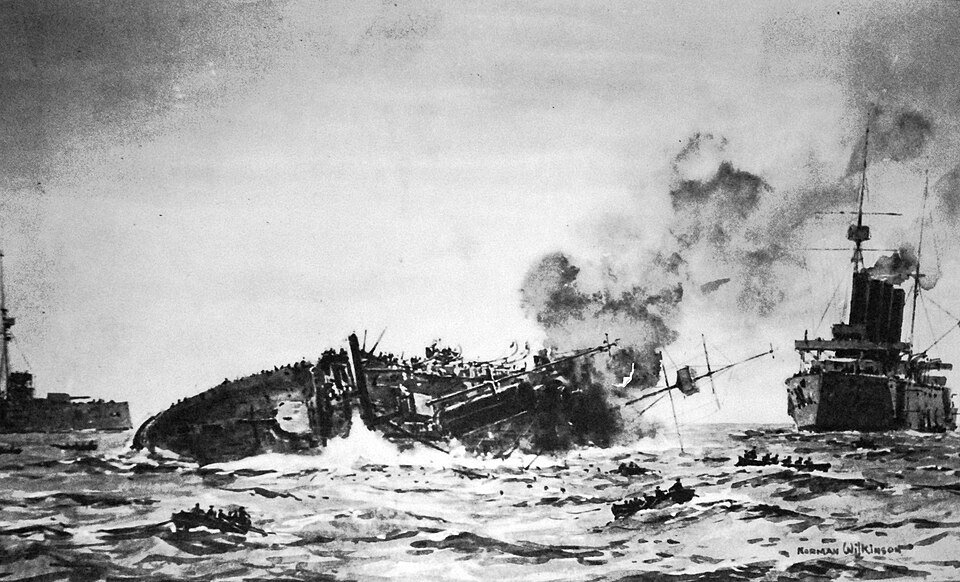
One submarine sinks three warships in a single hour
On the morning of 22 September 1914 a single German submarine, U-9, torpedoed the British cruiser Aboukir. The Hogue and Cressy stopped to pick up survivors and were torpedoed in turn. Nearly 1,500 men died. The Royal Navy afterwards forbade large ships from stopping to rescue survivors of a submarine attack.
-
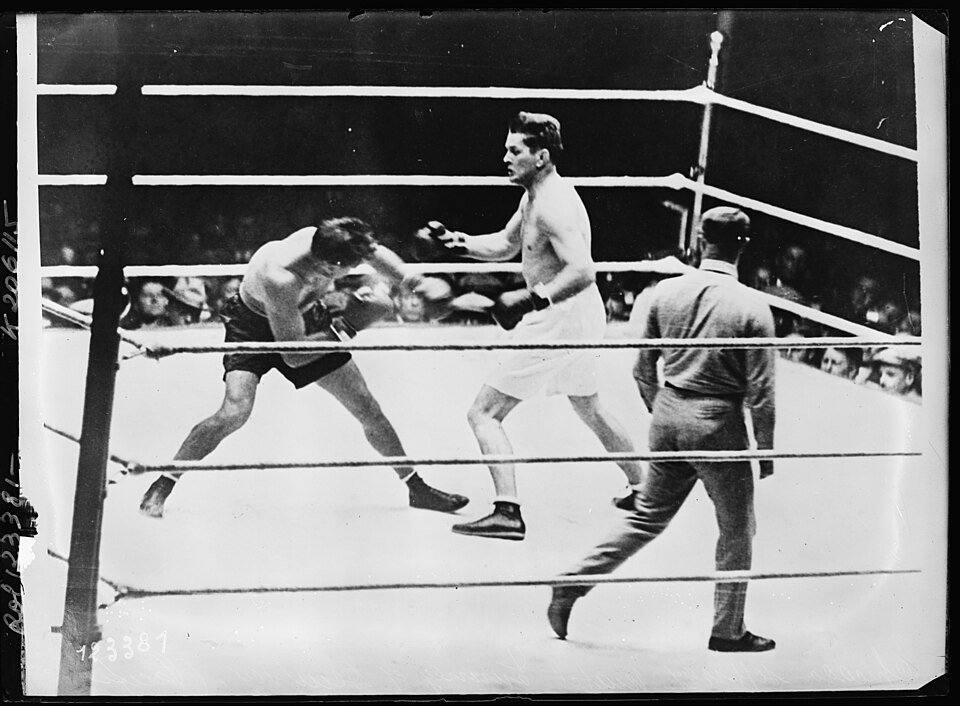
A knocked-down champion is saved by a referee who will not start counting
Jack Dempsey floored Gene Tunney in the seventh round in Chicago on 22 September 1927, then stood over him instead of going to a neutral corner as new rules required. The referee refused to count until Dempsey moved, giving Tunney perhaps five extra seconds. Tunney got up and won. People argued about it for the rest of the century.
-
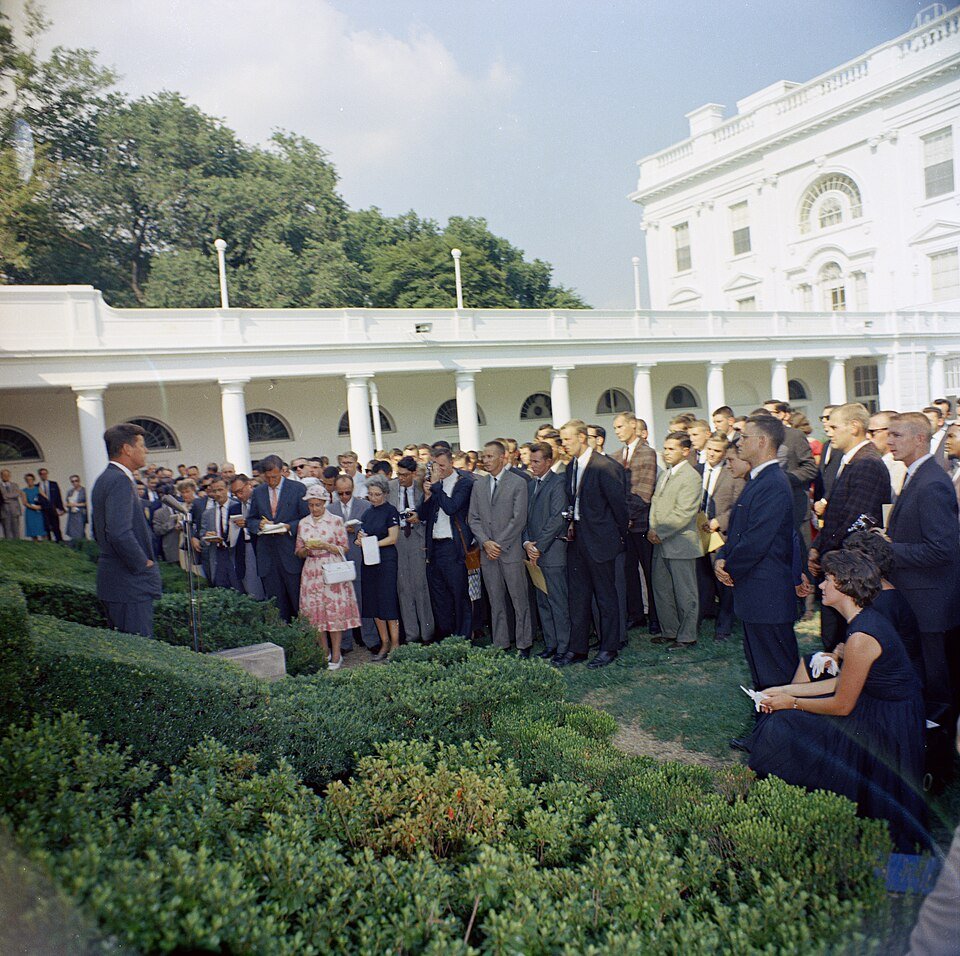
A president signs a law sending young volunteers to work abroad
John F. Kennedy signed the Peace Corps Act on 22 September 1961, six months after floating the idea at two in the morning on a university campus during the election campaign. More than 240,000 Americans have served since. The first two groups went to Ghana and Tanganyika.
-
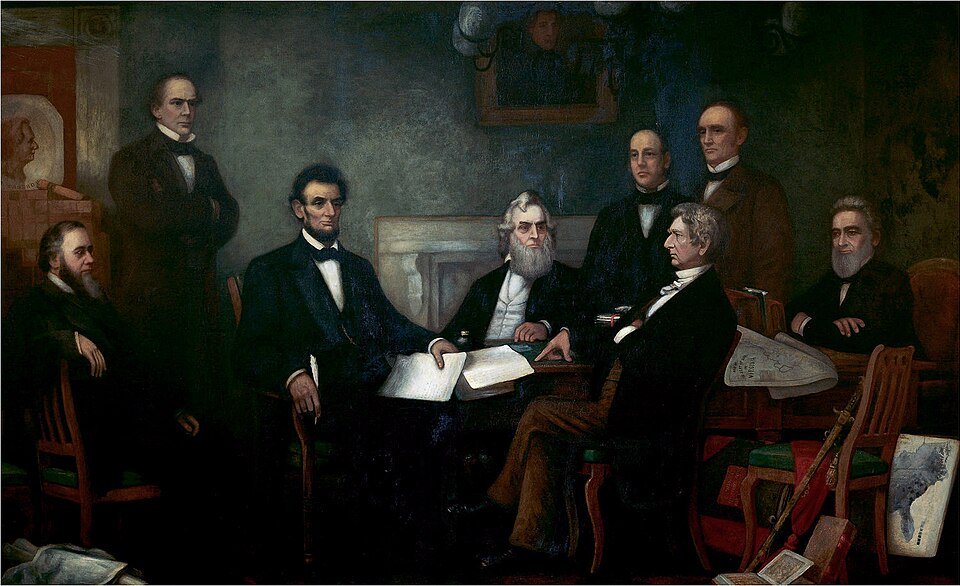
A president warns that in a hundred days he will free the enemy's slaves
Five days after Antietam, on 22 September 1862, Lincoln issued the preliminary Emancipation Proclamation: any state still in rebellion on 1 January 1863 would have its slaves declared free. He had been sitting on the draft for two months, waiting for a battlefield success so it would not look like a plea from a losing side.
-
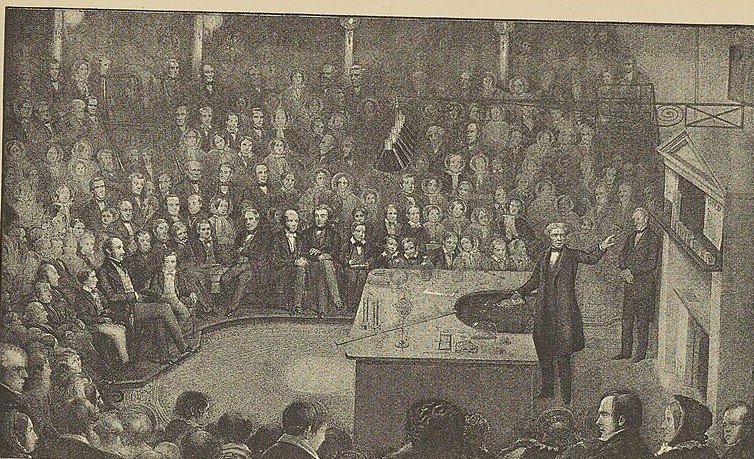
A bookbinder's apprentice is born who will work out how to generate electricity
Michael Faraday was born on 22 September 1791, the son of a blacksmith, and left school at thirteen. His discovery of electromagnetic induction in 1831 is the principle behind every generator and transformer in use today. He was hopeless at mathematics; Maxwell later wrote his ideas out as equations.