What happened on September 23
All 5 specimens from this file, spanning 1779 to 1952, with the story behind each photograph.
Reveal the full answer key
-
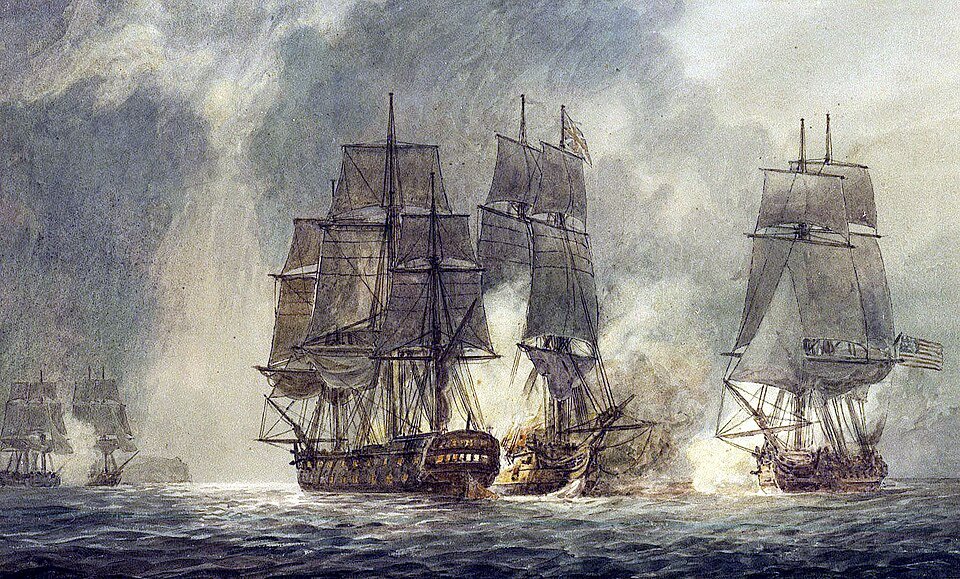
A sinking captain is asked to surrender and refuses
John Paul Jones lashed his failing ship to the British frigate Serapis off Flamborough Head on 23 September 1779 and fought her at point blank range. Asked whether he had struck his colours, he is said to have answered that he had not yet begun to fight. The Serapis surrendered; his own ship sank two days later.
-
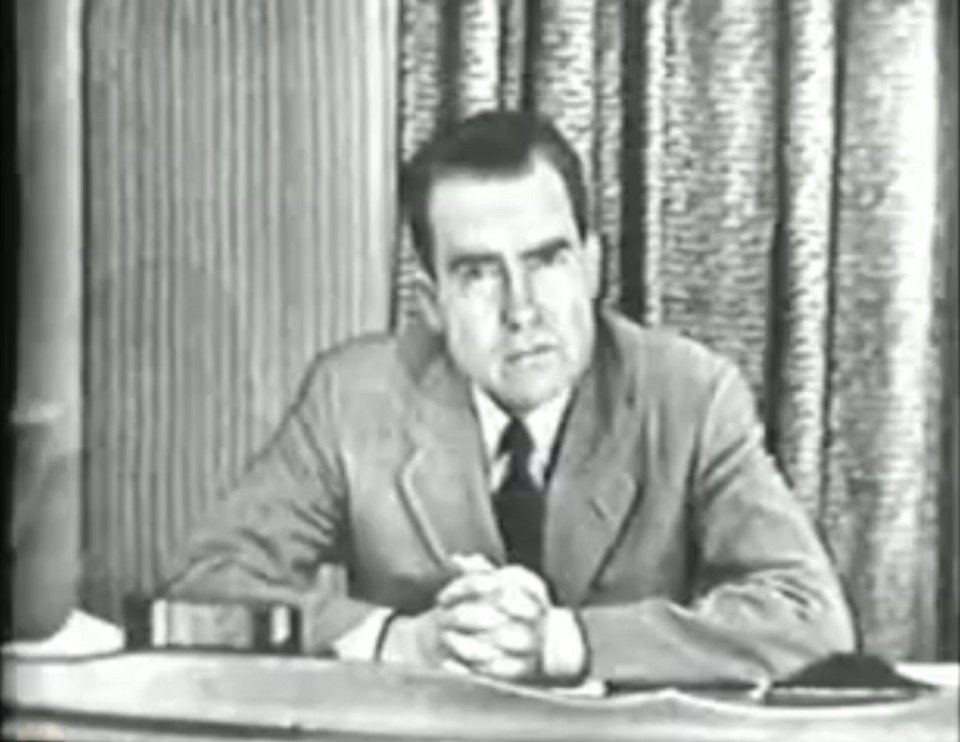
A candidate saves his career on television by talking about his dog
Accused of taking a secret fund, Richard Nixon bought half an hour of television on 23 September 1952 and laid out his finances in public, right down to his wife's cloth coat. He admitted taking one gift he would not give back: a black and white spaniel his daughters had named Checkers. About 60 million people watched, and he stayed on the ticket.
-
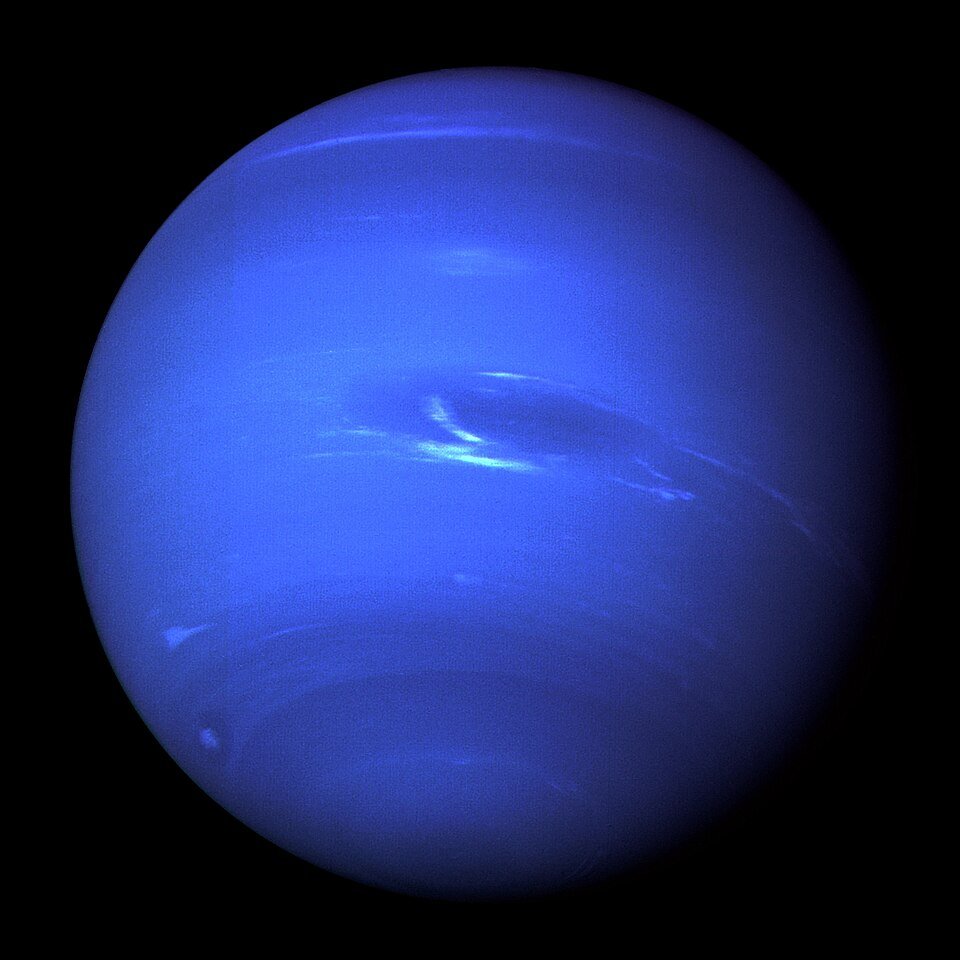
A planet is found by mathematics before anyone looks for it
Urbain Le Verrier worked out where an unseen planet must be from wobbles in the orbit of Uranus, and posted the coordinates to the Berlin Observatory. Johann Galle found it on the night of 23 September 1846, within a degree of the predicted spot, in under an hour. The photograph is from Voyager 2.
-
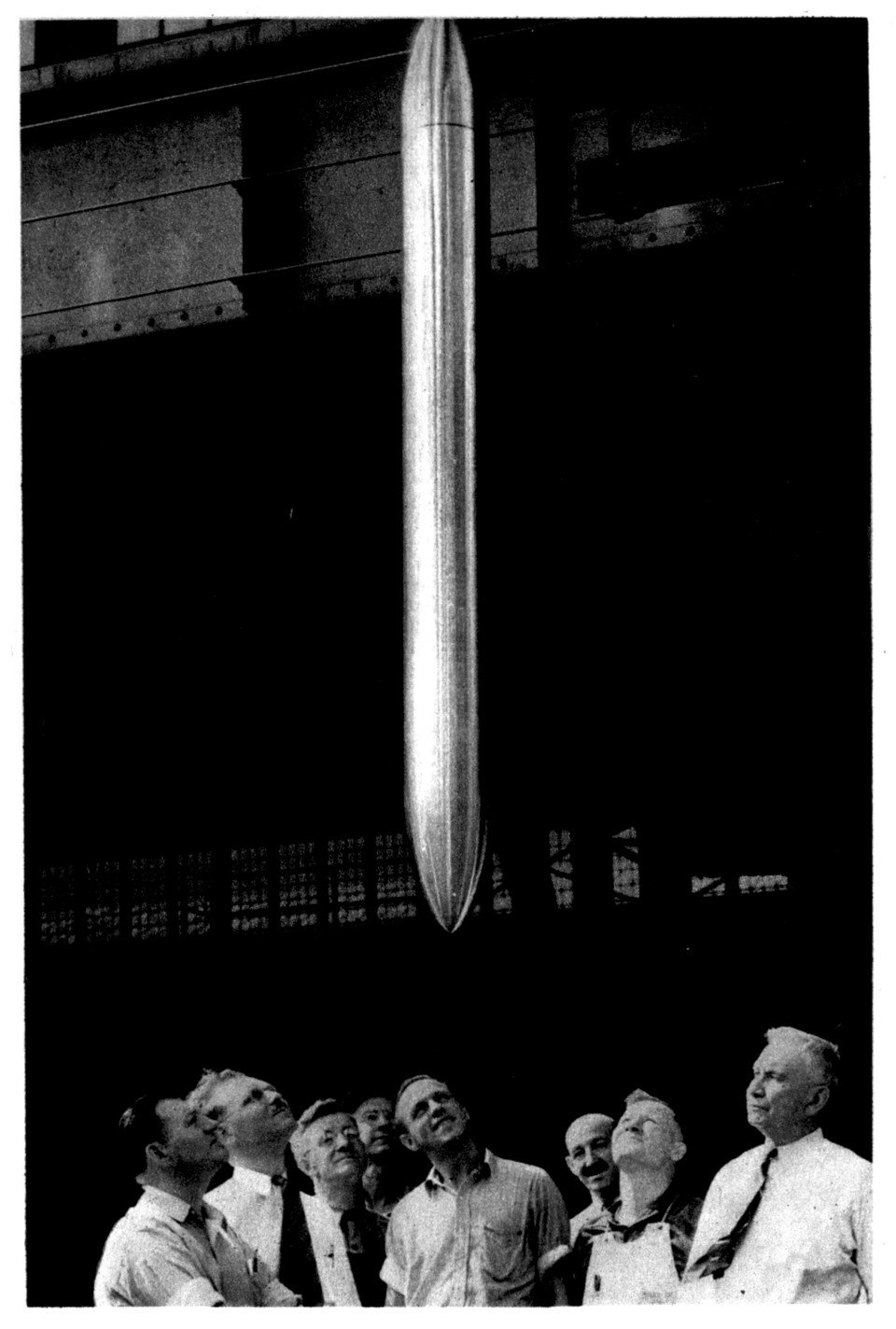
A metal cylinder is buried with instructions not to open it for 5,000 years
This alloy cylinder was lowered fifty feet into the ground at the New York World's Fair site on 23 September 1938, packed with a woman's hat, a slide rule, seeds, newsreels and a message from Albert Einstein. It is to be opened in the year 6939. Copies of the finding instructions were sent to libraries and monasteries around the world so somebody would still know where to dig.
-
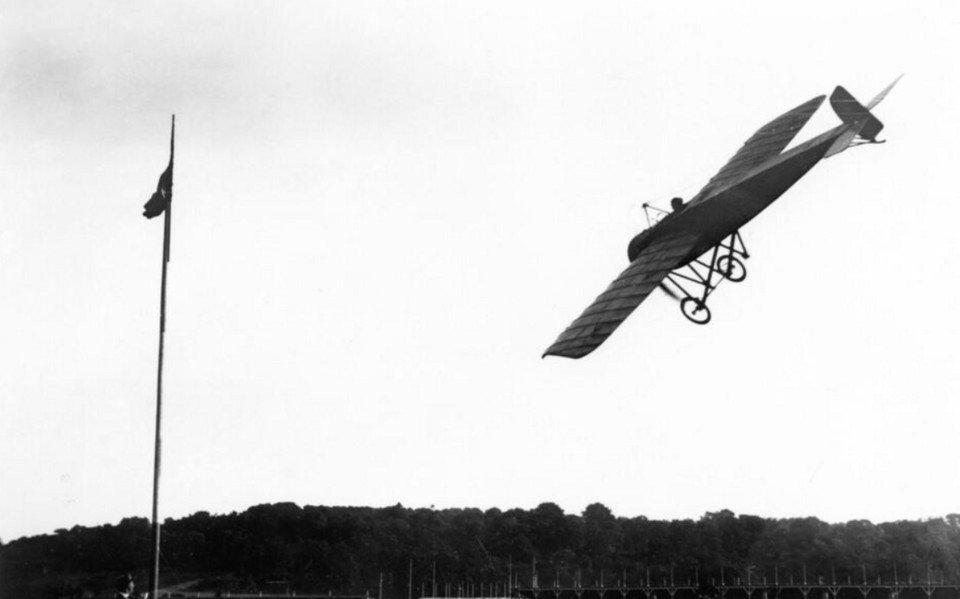
A pilot crosses the Mediterranean alone with barely any fuel to spare
Roland Garros flew from the south of France to Tunisia on 23 September 1913, about 500 miles over open water in a single-engined monoplane, and landed with roughly five litres of fuel left. He was later shot down and captured in the First World War, escaped, and was killed in 1918. The Paris tennis stadium is named after him.