What happened on October 4
All 5 specimens from this file, spanning 1582 to 1957, with the story behind each photograph.
Reveal the full answer key
-
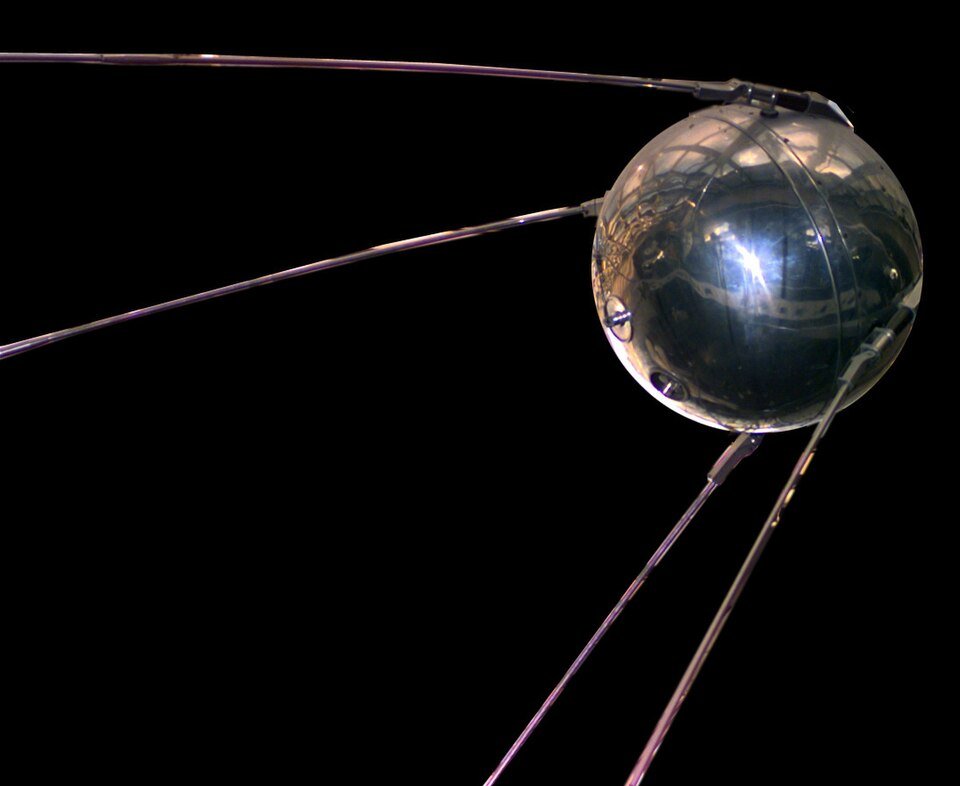
A polished metal sphere becomes the first object put into orbit
Sputnik 1 reached orbit on 4 October 1957. It was 58 centimetres across, weighed 84 kilograms and did almost nothing except transmit a beep. The shock in the United States was severe enough to produce a new space agency, a rewritten school science curriculum and, eventually, the network that became the internet.
-
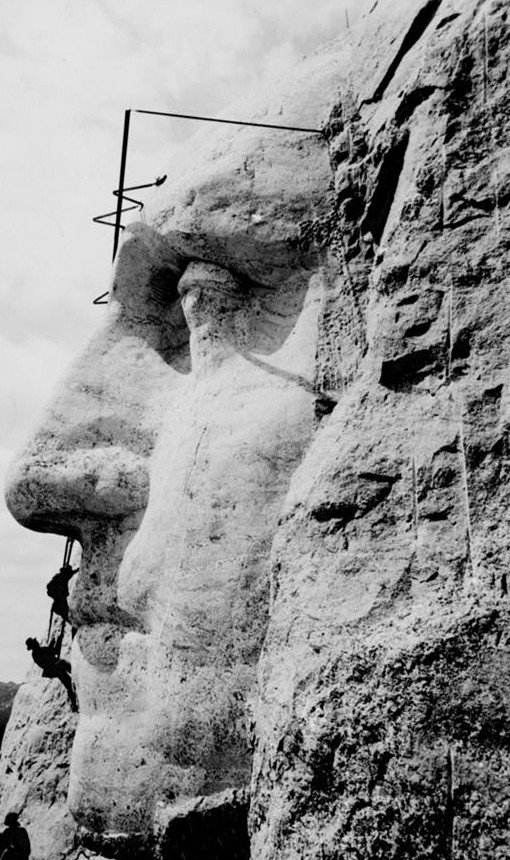
Carving begins on four presidents' faces in a granite mountainside
Work started on 4 October 1927 and took fourteen years. About ninety per cent of the rock was removed with dynamite, by men who learned to place charges precisely enough to leave a few inches of stone for the finishers. Nobody died on the job, which for a project of that size in the 1930s was remarkable.
-
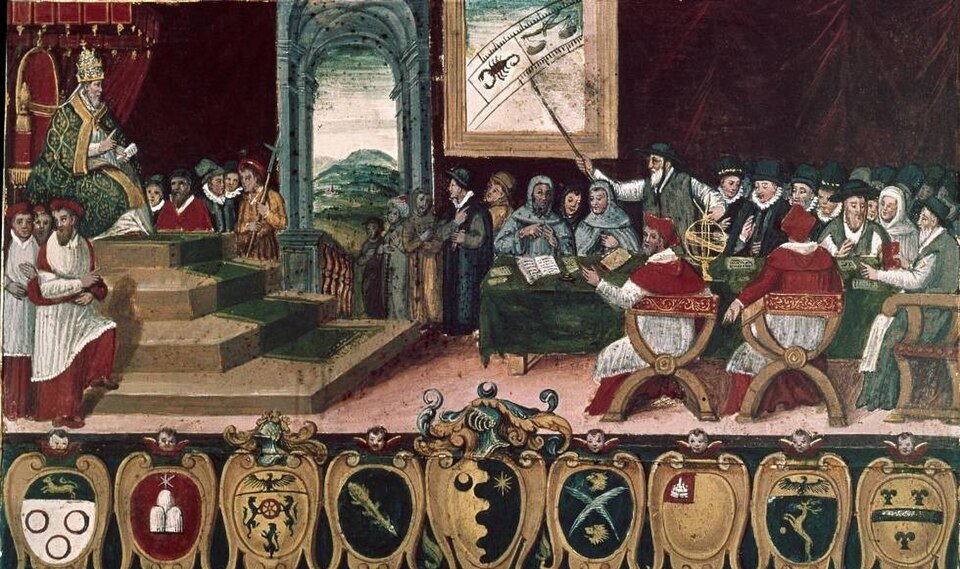
A calendar reform ends the year with ten days that never happened
Thursday 4 October 1582 was followed by Friday 15 October in Italy, Spain, Portugal and Poland. The Julian calendar had drifted about ten days out of step with the seasons, so ten days were simply deleted. Protestant Britain refused to take a Catholic calendar and held out until 1752, by which time it had to drop eleven.
-
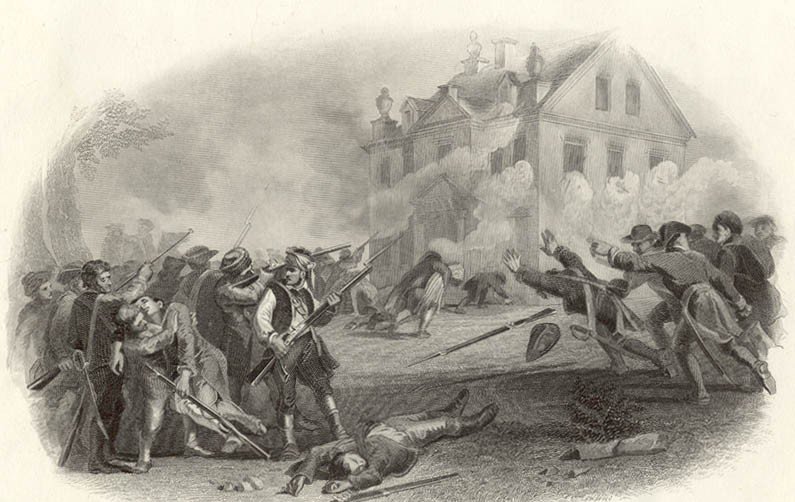
A dawn attack on an occupying army fails in thick fog and gunsmoke
Washington attacked the British outside Philadelphia at dawn on 4 October 1777. Fog and powder smoke were so thick that two American columns fired on each other, and a stubborn British garrison holed up in a stone house stalled the whole advance. The attack failed, but the French took note that a beaten army had gone back on the offensive at all.
-
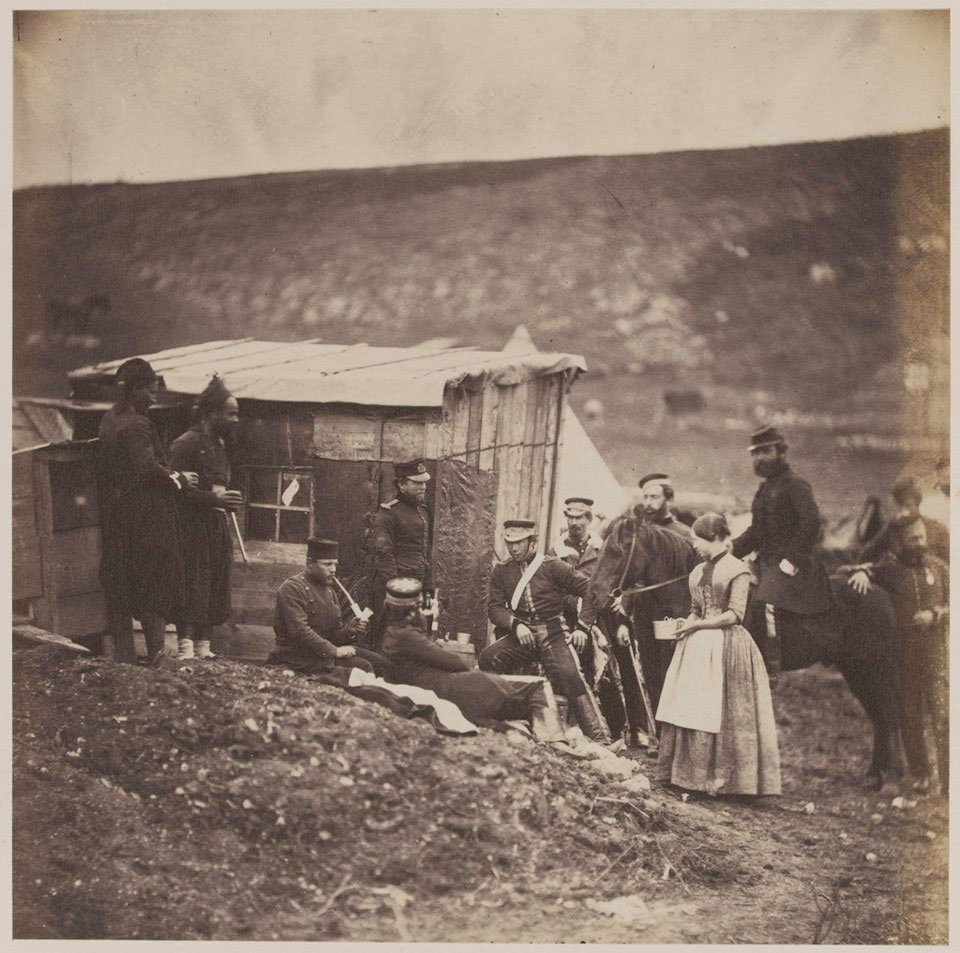
An empire declares war on its huge northern neighbour over a religious dispute
The Ottoman Empire declared war on Russia on 4 October 1853, after a quarrel over who should hold the keys to churches in the Holy Land escalated into an argument about protecting Christians across the Ottoman lands. Britain and France joined the following year. It became the first war photographed at length and the first reported home by telegraph.