What happened on October 5
All 5 specimens from this file, spanning 1789 to 1936, with the story behind each photograph.
Reveal the full answer key
-
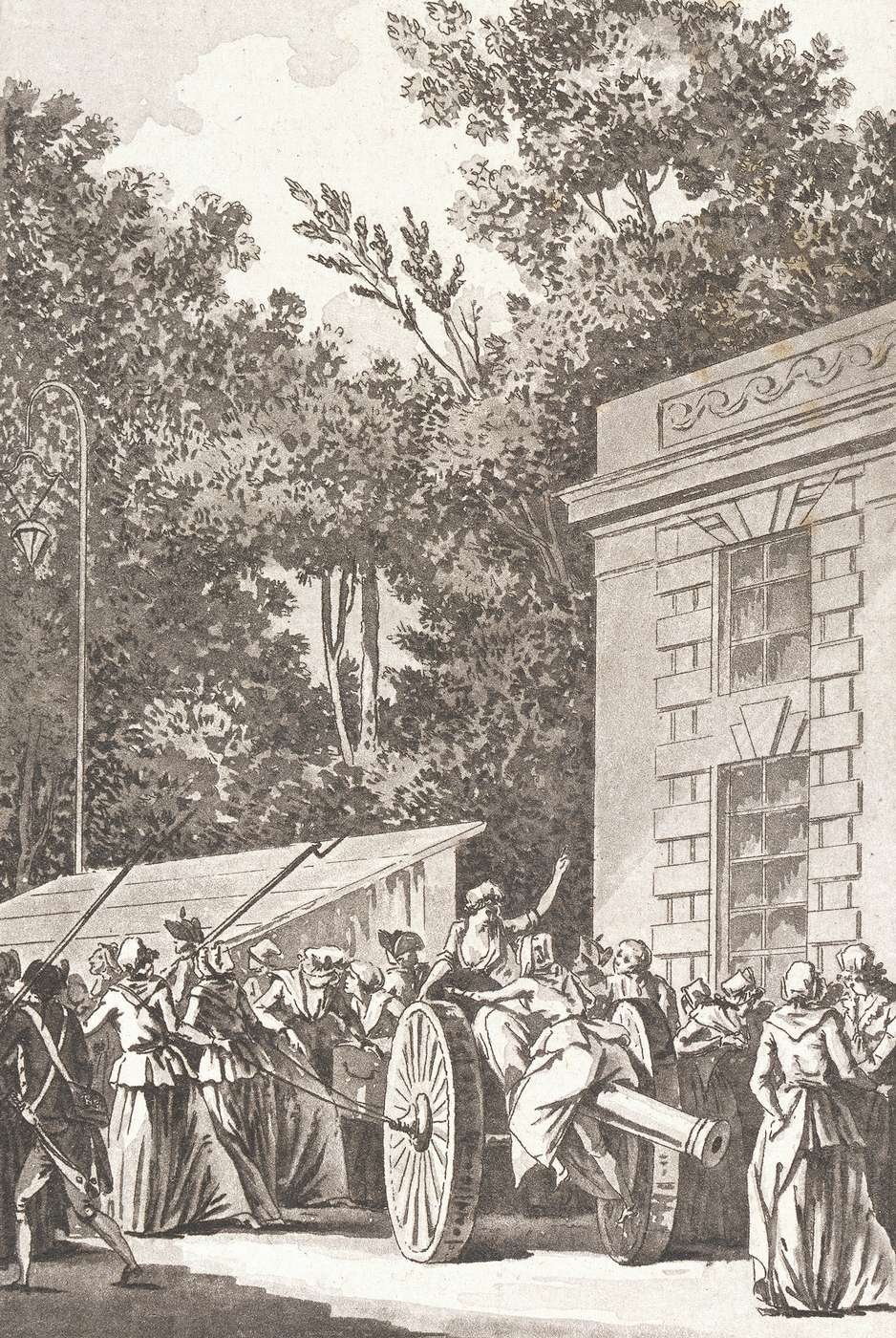
Thousands of women march out of a capital to fetch the king back from his palace
On 5 October 1789 thousands of women from the Paris markets walked twelve miles to Versailles in the rain, angry about the price of bread, and dragged cannon with them. They came back the next day with the king, queen and their children in tow. The monarchy never returned to Versailles.
-
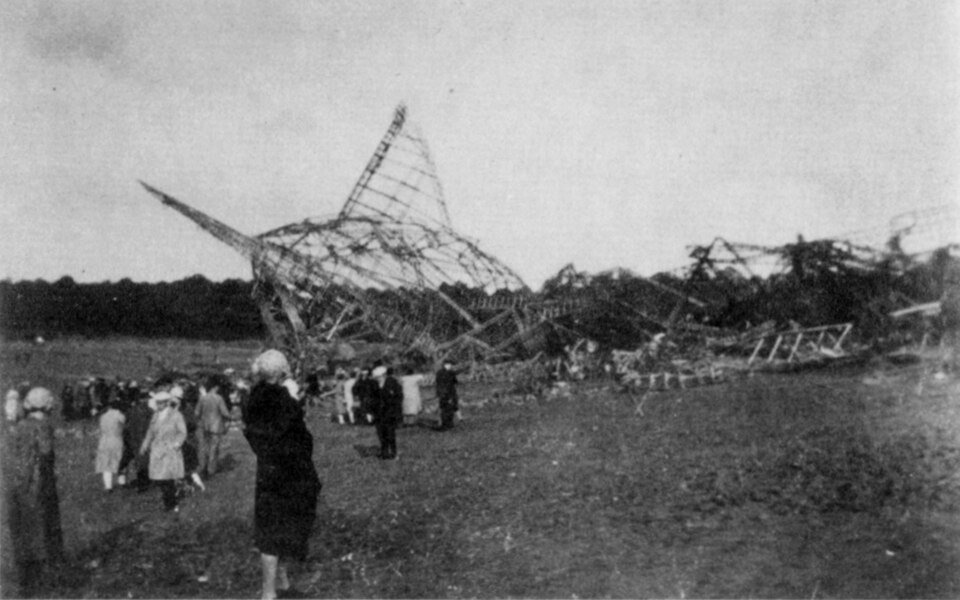
An airship on its maiden voyage to India comes down on a French hillside
The R101 left for India on 4 October 1930 and hit a hill near Beauvais in the early hours of the 5th. Of 54 people aboard, 48 died, including the Air Minister who had pushed the flight forward so he could reach an imperial conference on time. Britain gave up on airships entirely and sold its remaining one for scrap.
-
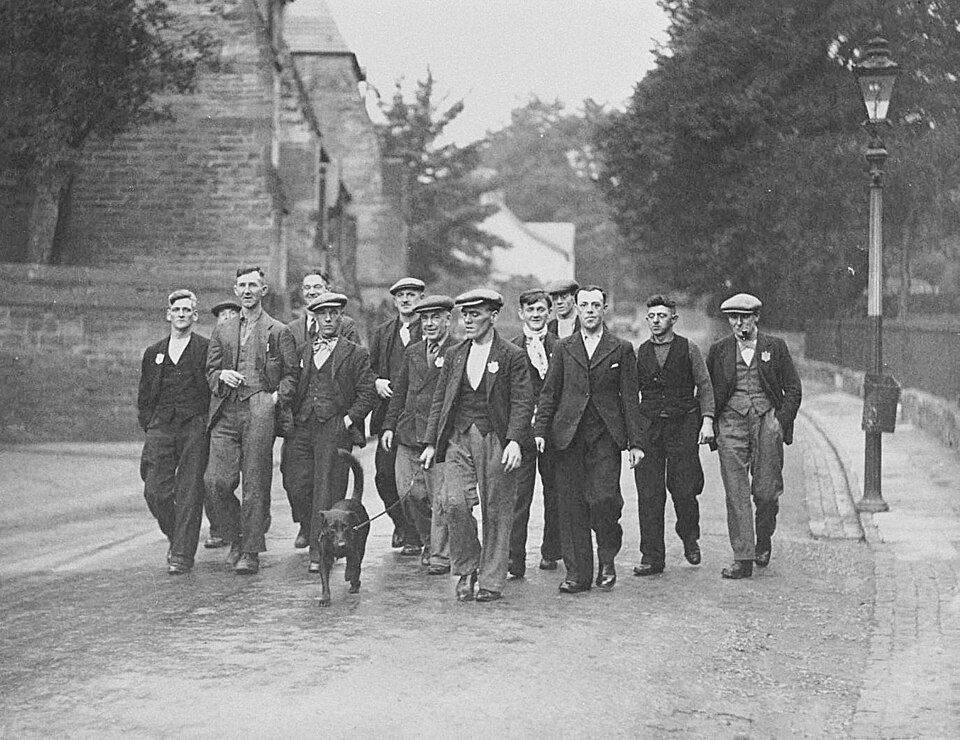
Two hundred unemployed shipyard men set off to walk to the capital
About two hundred men left Jarrow on 5 October 1936 to walk almost three hundred miles to London, carrying a petition about a town where the shipyard had closed and roughly seven in ten men were out of work. They were received politely and sent home by train, and nothing was done. The march became the enduring image of the 1930s in Britain anyway.
-
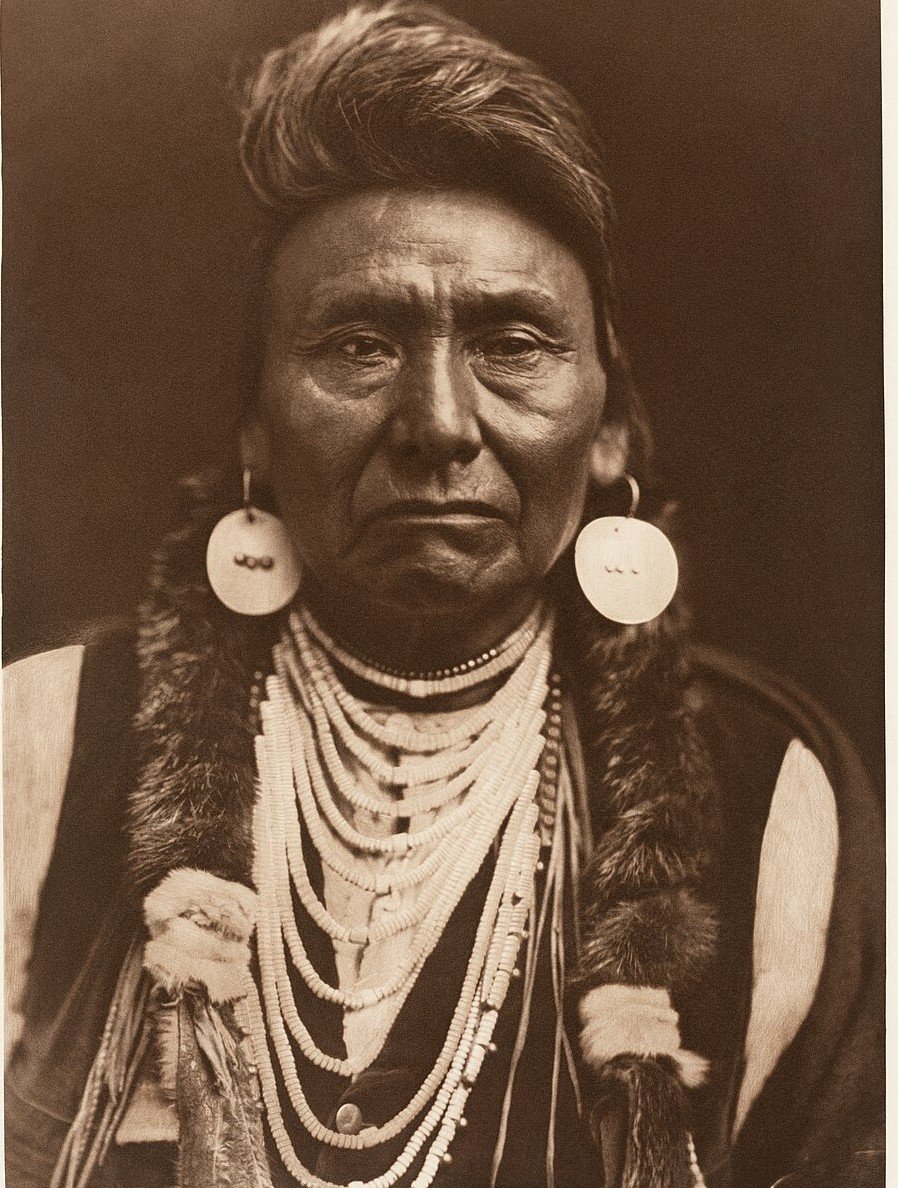
A chief surrenders forty miles from the border after a fighting retreat of 1,100 miles
Chief Joseph surrendered on 5 October 1877 in the Bear Paw Mountains, about forty miles short of the Canadian border, after his band of Nez Perce had outrun and outfought the US Army across four states for over three months. His surrender speech, ending with the line about fighting no more forever, was written down by a lieutenant on the spot.
-
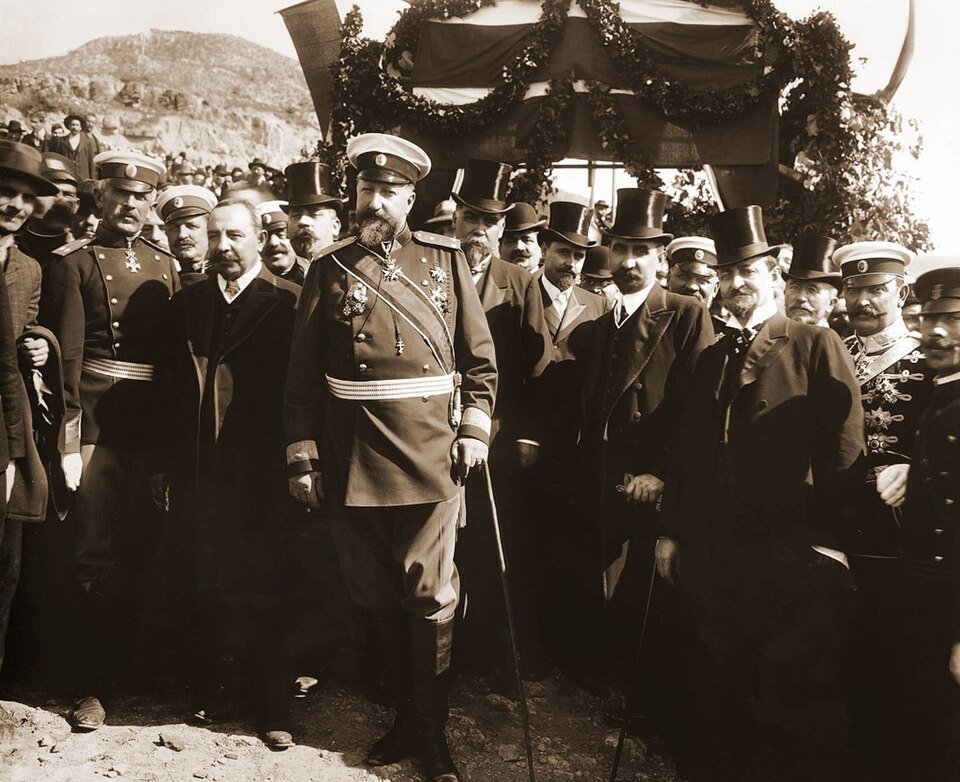
A prince declares his country fully independent and takes the title of tsar
Ferdinand proclaimed Bulgaria fully independent of the Ottoman Empire on 5 October 1908 and styled himself tsar. The timing was arranged with Austria-Hungary, which announced its own annexation of Bosnia and Herzegovina the next day. Both moves tore up the same treaty, and the crisis that followed left the Balkans one step closer to a general war.