What happened on October 22
All 5 specimens from this file, spanning 1707 to 1926, with the story behind each photograph.
Reveal the full answer key
-

A showman who escaped from a locked milk can is punched in the stomach and dies of it
A student called J. Gordon Whitehead asked Harry Houdini in his dressing room on 22 October 1926 whether he could really take any punch to the stomach, then hit him several times before he was braced. Houdini already had appendicitis. He finished the tour in increasing pain and died of peritonitis on 31 October, aged 52.
-
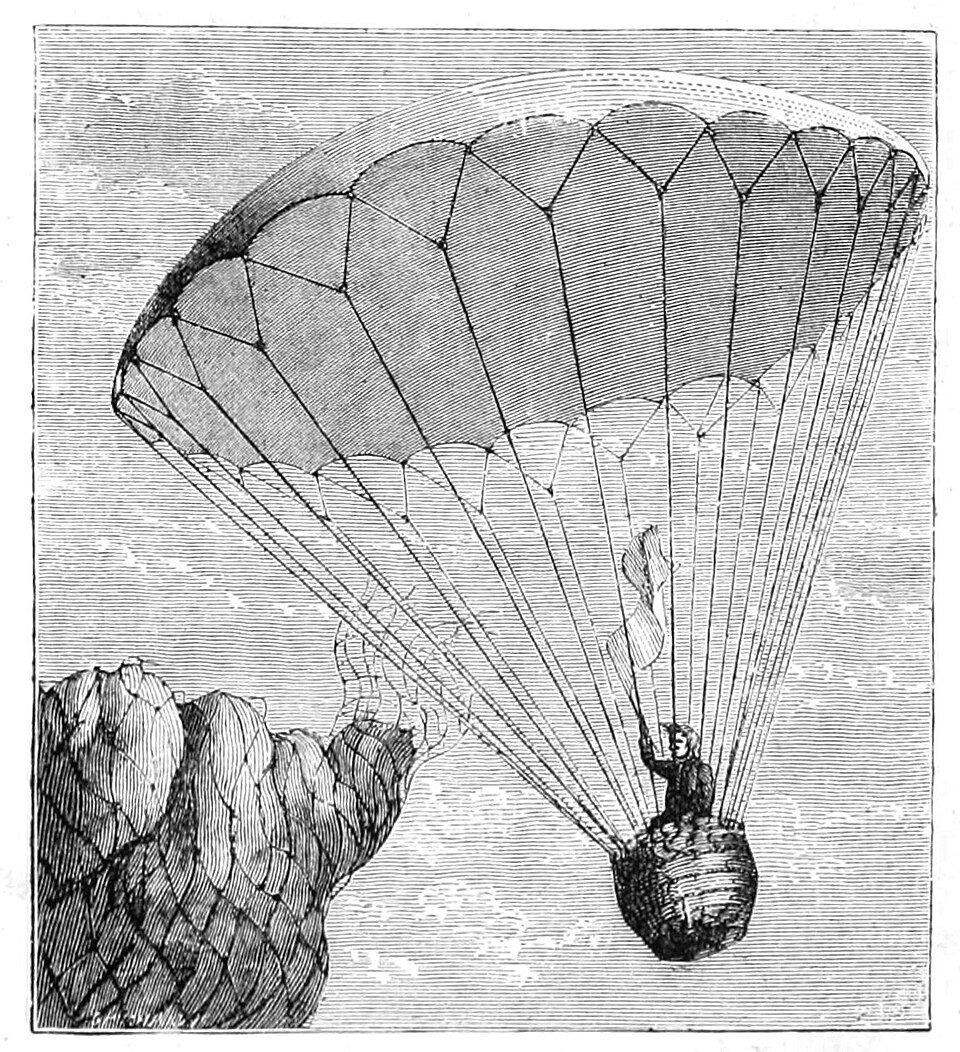
A man cuts himself loose from a balloon and comes down under a silk canopy
Andre-Jacques Garnerin went up over Paris on 22 October 1797, cut the cord at about 3,000 feet and came down under a canvas canopy with no rigid frame. It swung so violently that he was sick on landing, and he was unhurt otherwise. A vent cut in the top of the canopy, suggested afterwards by an astronomer, fixed the swinging and is still used.
-
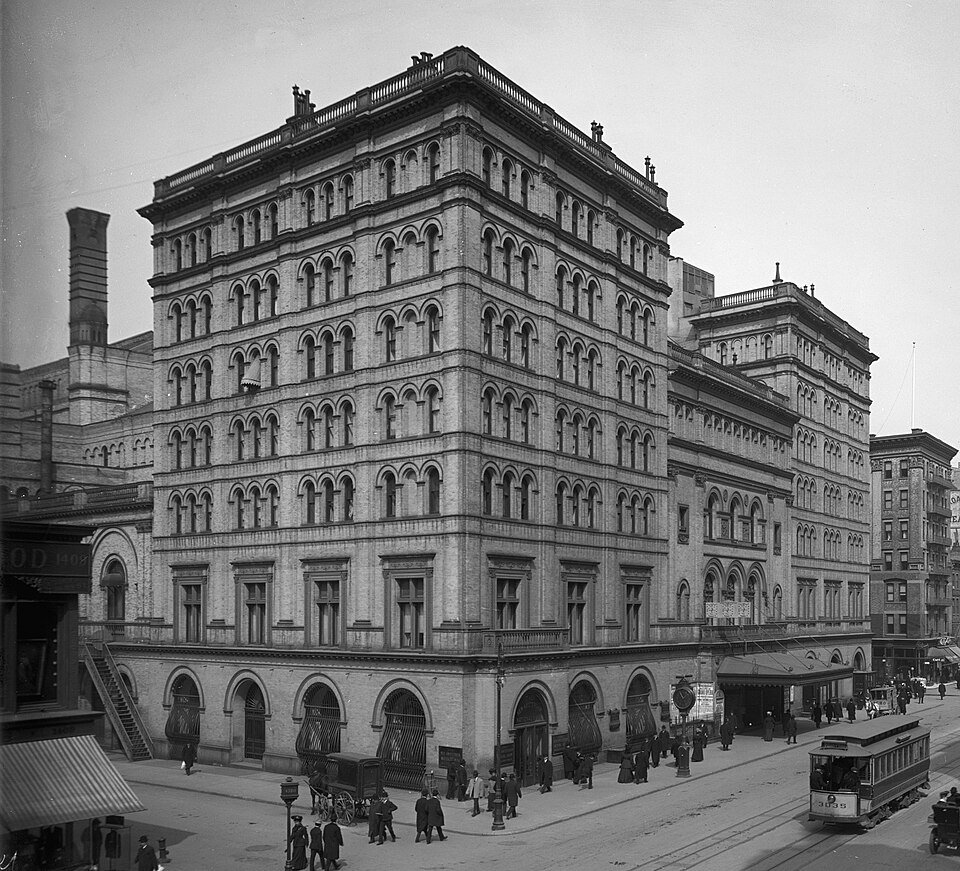
New money builds its own opera house after the old one refuses it boxes
The Metropolitan Opera opened on Broadway on 22 October 1883. It existed because families like the Vanderbilts and Morgans could not buy boxes at the older Academy of Music, where the boxes were held by a closed circle of older families. They built a bigger house with 122 boxes instead. The Academy gave up opera within two years.
-
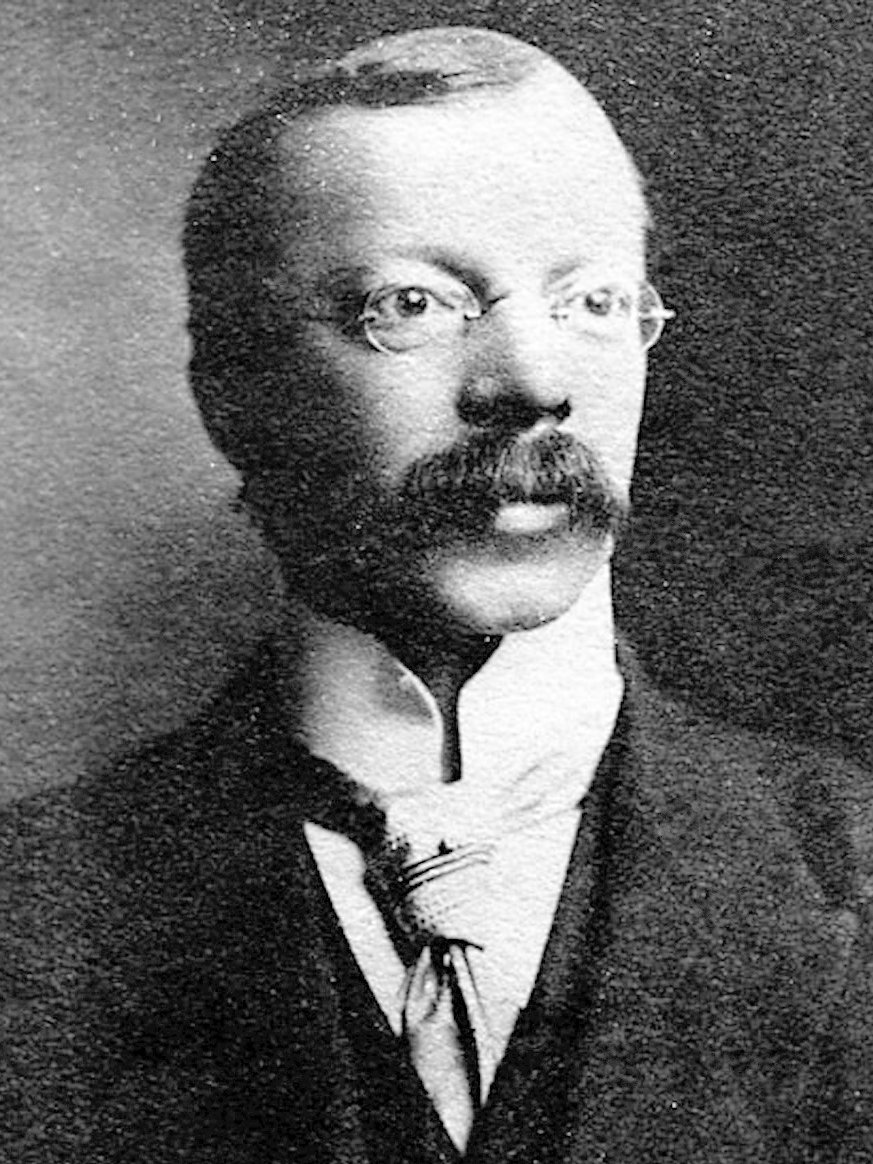
A doctor is convicted of poisoning his wife after a wireless message caught him at sea
Hawley Harvey Crippen was convicted at the Old Bailey on 22 October 1910 of murdering his wife and burying her under the cellar. He had fled to Canada with his mistress disguised as his son, and the ship's captain recognised them and sent a wireless message ashore. It was the first time radio was used to catch a murderer, and it made Marconi's invention famous.
-
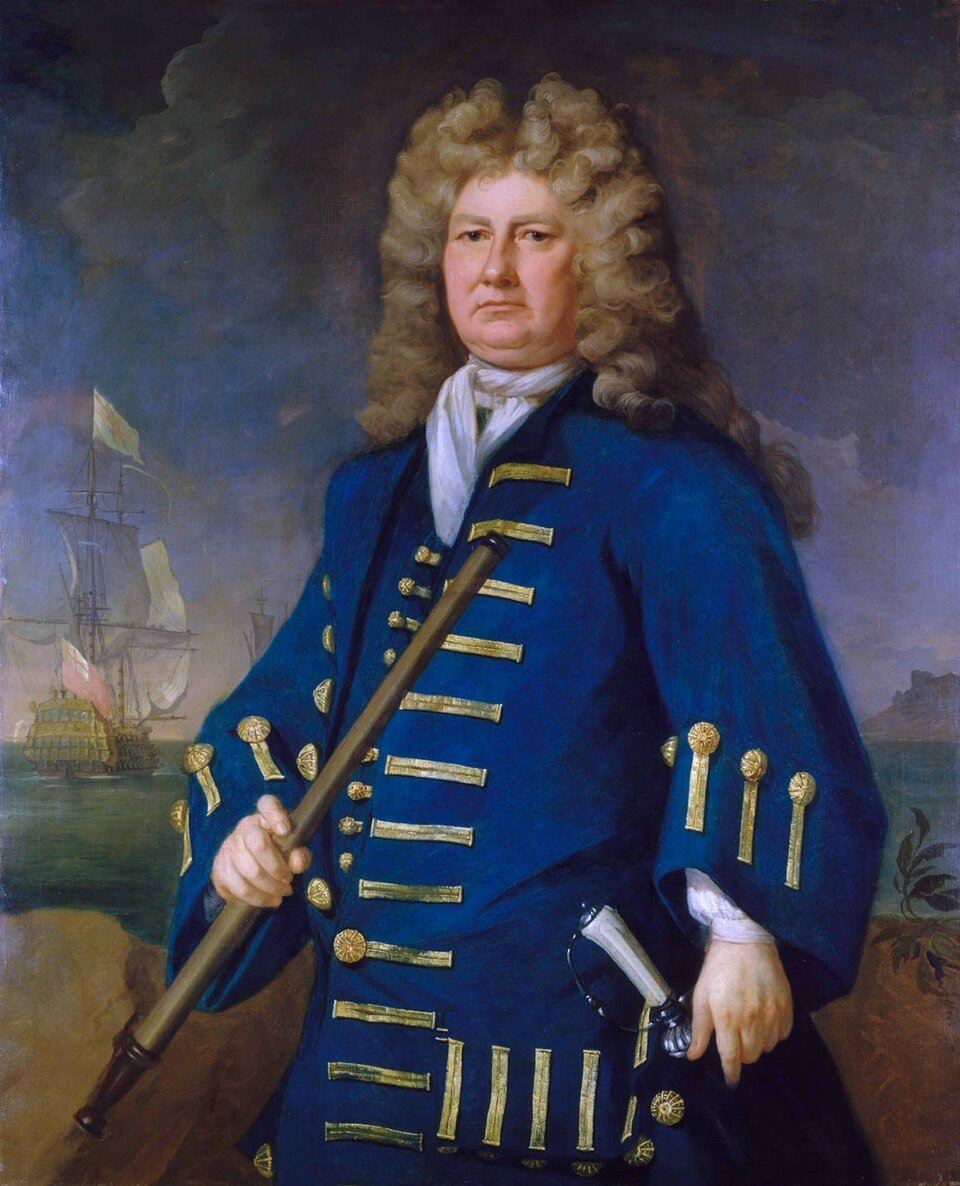
A fleet runs onto rocks because nobody on board could work out how far west they were
Four ships of a homeward British fleet struck the rocks off the Isles of Scilly on 22 October 1707 and about 1,500 men drowned, including Admiral Sir Cloudesley Shovell. They had no reliable way of fixing longitude at sea. The scale of the loss led directly to the Longitude Act and the prize that John Harrison eventually won with a clock.