What happened on October 28
All 5 specimens from this file, spanning 312 to 1922, with the story behind each photograph.
Reveal the full answer key
-

A colossal statue given by one republic to another is unveiled in thick fog
The Statue of Liberty was dedicated on 28 October 1886, ten years late and paid for on the French side by public subscription and on the American side largely by a newspaper campaign selling copies. The fog was so heavy that the crowd could barely see the unveiling. The famous poem about huddled masses was not added to the pedestal until 1903.
-
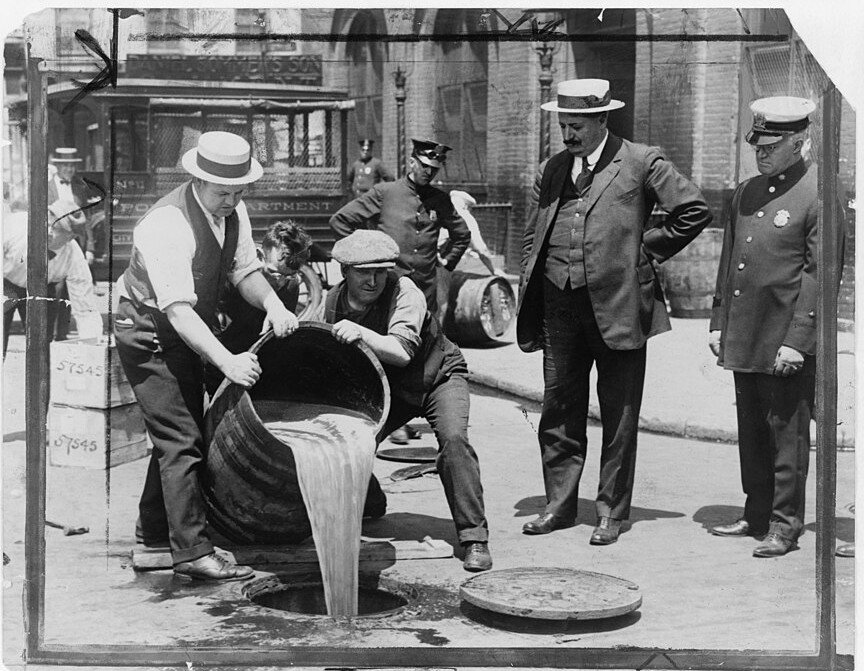
A law is passed over a presidential veto that will make a country dry for thirteen years
Congress passed the Volstead Act over President Wilson's veto on 28 October 1919, setting out how national prohibition would actually work and defining intoxicating liquor as anything above half a percent. Consumption fell at first and then recovered, while an entire criminal economy grew up to supply it. It was repealed in 1933.
-
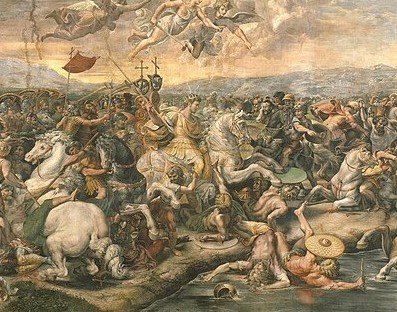
An emperor wins a battle he credits to a Christian sign and changes a religion's fortunes
Constantine beat Maxentius at the Milvian Bridge outside Rome on 28 October 312, after reportedly seeing a sign in the sky and having his men mark their shields with it. Maxentius drowned in the Tiber when a pontoon bridge gave way. Within a year Constantine had legalised Christianity across the empire.
-
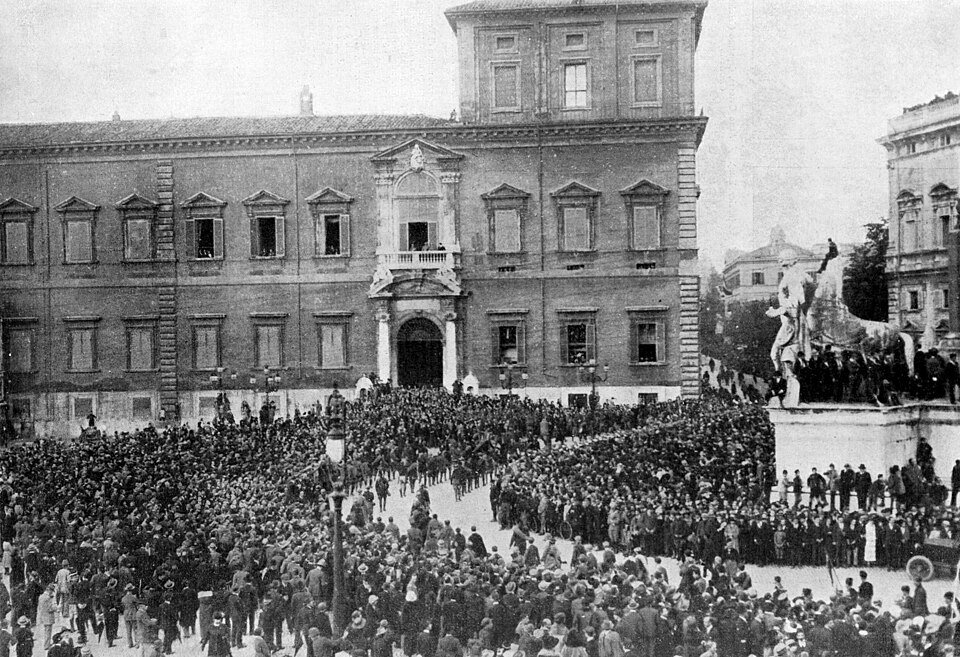
A party marches on a capital and its leader arrives by sleeping car to take power
Around 25,000 fascists converged on Rome on 28 October 1922. The army could have stopped them easily and the prime minister asked the king to declare martial law, but Victor Emmanuel III refused and invited Mussolini to form a government instead. Mussolini himself arrived from Milan by overnight train, after the outcome was already settled.
-
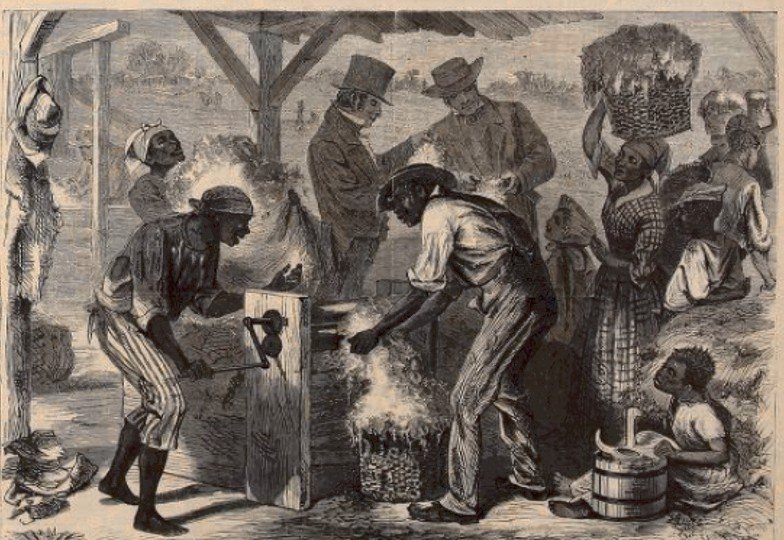
A machine for cleaning cotton is patented and makes slavery vastly more profitable
Eli Whitney applied for his cotton gin patent on 28 October 1793. It did one job, separating seed from fibre, about fifty times faster than hand work. The result was not less labour but far more: cotton became worth growing across the South, and the enslaved population rose from around 700,000 to nearly four million in seventy years.