What happened on October 27
All 5 specimens from this file, spanning 1553 to 1904, with the story behind each photograph.
Reveal the full answer key
-
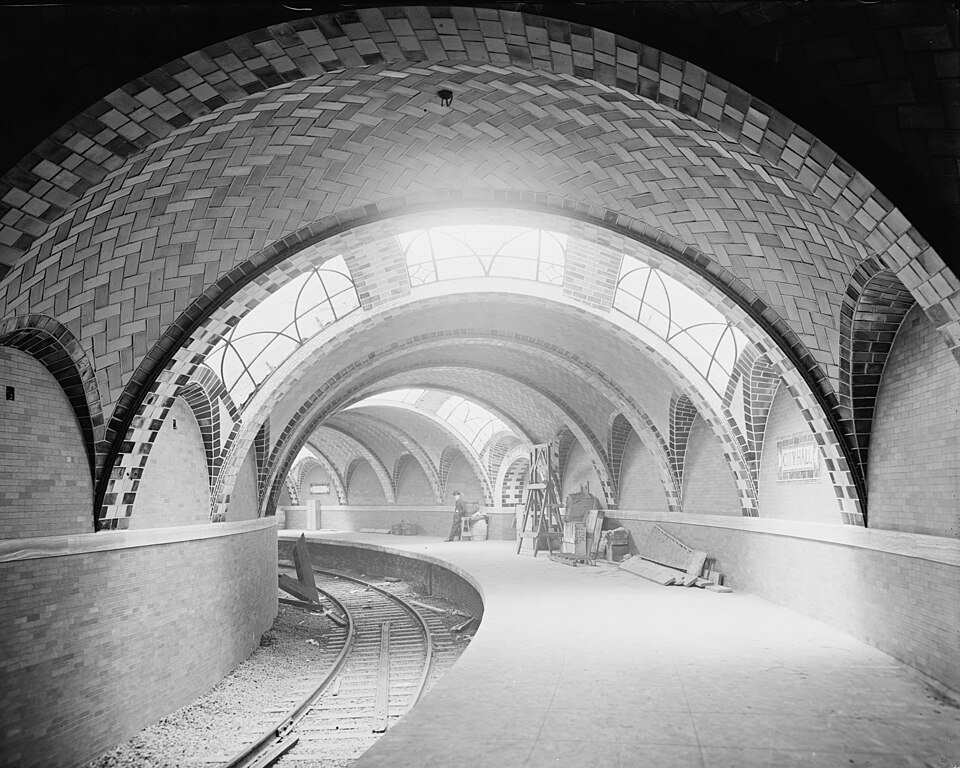
A city opens an underground railway with a showpiece station too curved to use
The New York subway opened on 27 October 1904 and carried 150,000 people on the first day. City Hall was built as its architectural showpiece, with Guastavino tile vaults and leaded skylights, but the platform curve was too tight for the longer carriages that came later. It closed in 1945 and is still down there.
-
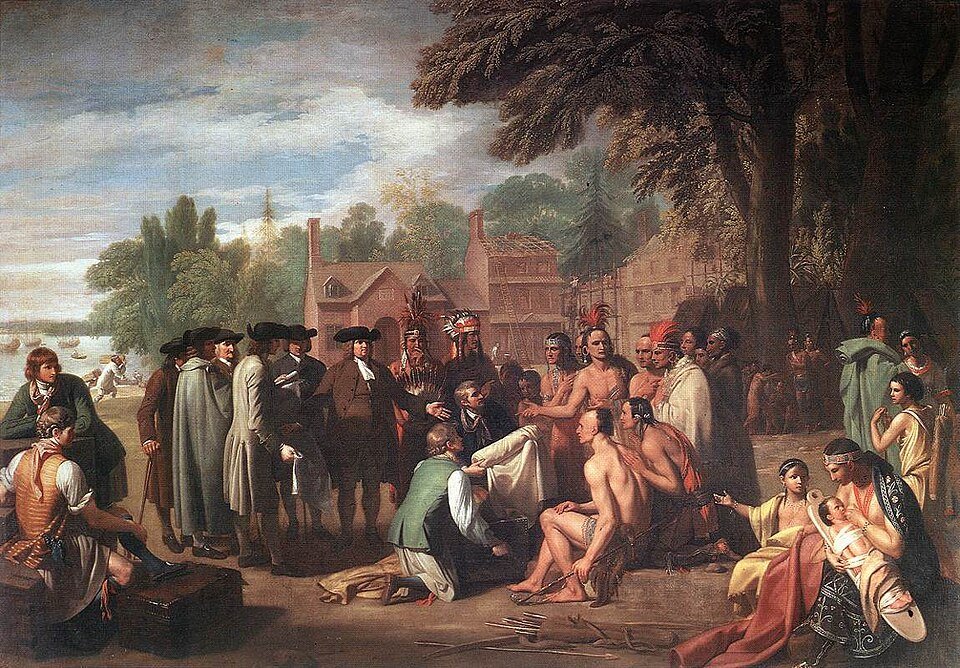
A Quaker founds a colony on land he insists on paying for rather than seizing
William Penn landed on the Delaware on 27 October 1682 and laid out Philadelphia on a grid, the first planned city in the colonies. He insisted on buying land from the Lenape rather than taking it, and his treaty with them held for about seventy years, which Voltaire said was the only treaty between Christians and natives never sworn to and never broken.
-

An emperor rides into a capital two weeks after destroying its army
Napoleon rode through the Brandenburg Gate on 27 October 1806, a fortnight after destroying the Prussian army at Jena and Auerstedt on a single day. He had the bronze chariot on top of the gate taken down and shipped to Paris. It stayed there until 1814, when the Prussians took it back and added an iron cross to it.
-
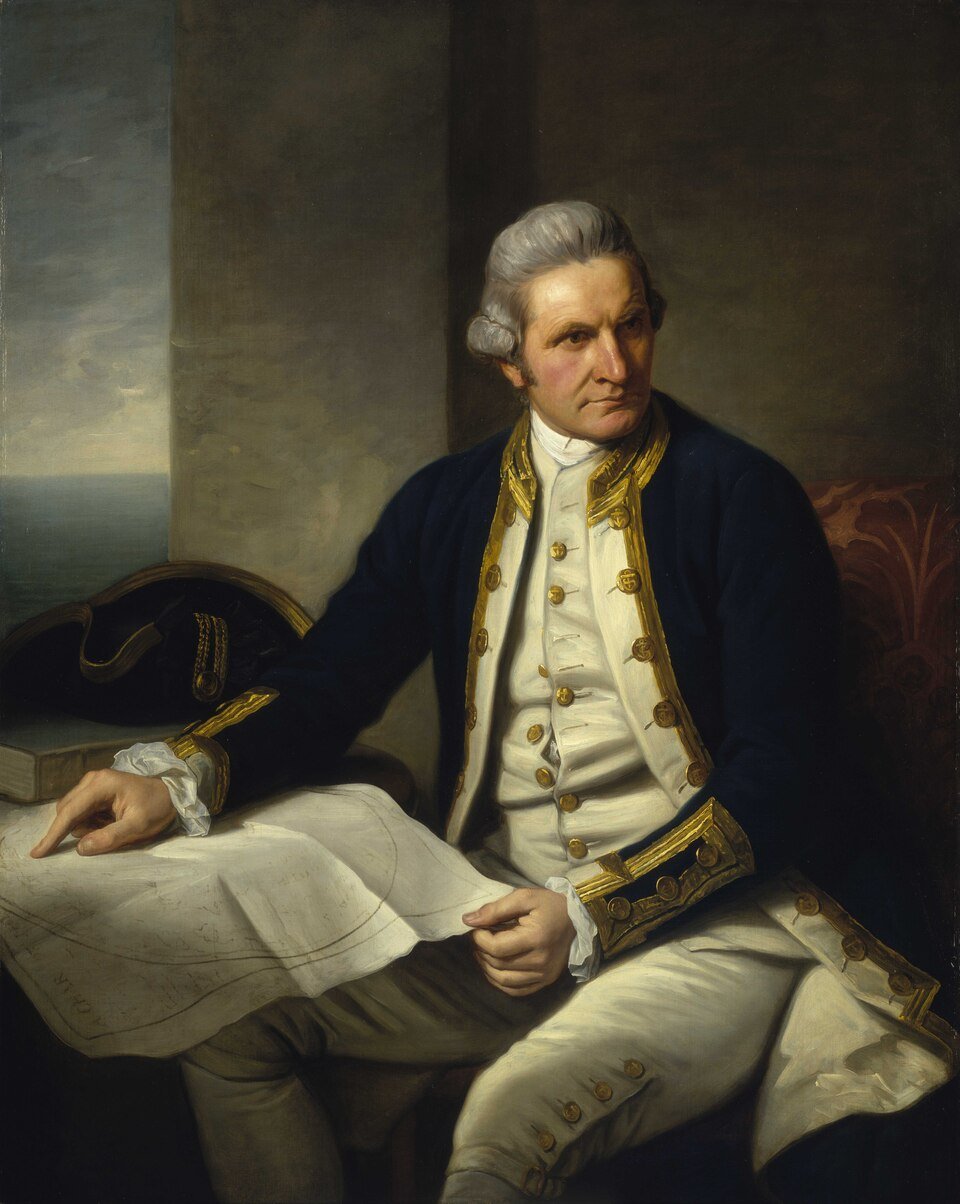
A farm labourer's son is born who will map more of the world than anyone before him
James Cook was born in a Yorkshire labourer's cottage on 27 October 1728 and went to sea in colliers. He charted the St Lawrence, New Zealand, eastern Australia and much of the Pacific with an accuracy that stood for a century, and kept his crews alive on voyages that had previously killed half a ship's company through scurvy.
-
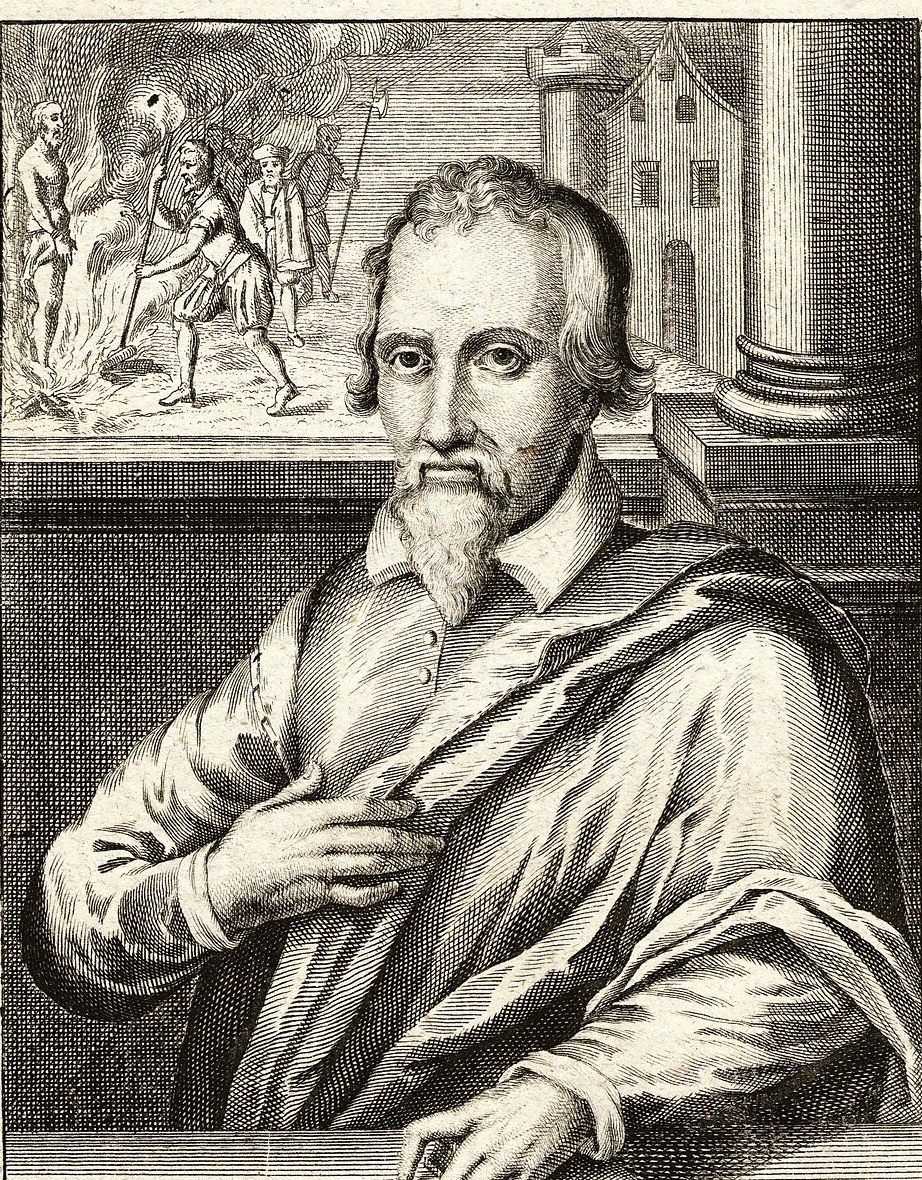
A physician who described how blood reaches the lungs is burned for denying the Trinity
Michael Servetus was burned outside Geneva on 27 October 1553 with his own book chained to his leg. He had been the first European to describe pulmonary circulation, buried in a theological work denying the Trinity. Calvin had him condemned; the execution disturbed enough Protestants that it helped start the argument for religious tolerance.