What happened on November 6
All 5 specimens from this file, spanning 1632 to 1935, with the story behind each photograph.
Reveal the full answer key
-
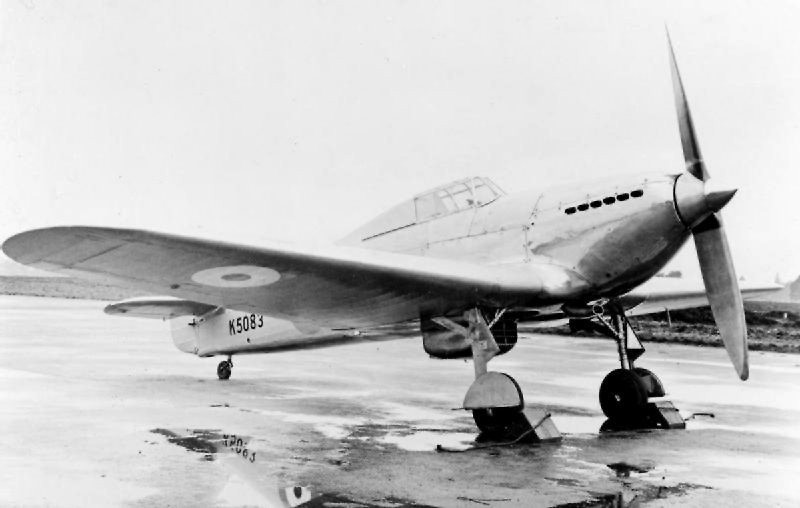
A fighter flies for the first time that will shoot down more enemy aircraft than any other British type
The Hawker Hurricane prototype first flew on 6 November 1935. It was slower and older in design than the Spitfire, with a fabric-covered fuselage, but there were more of them and they were far easier to repair. Hurricanes shot down more German aircraft in the Battle of Britain than every other British defence combined.
-

A king is shot off his horse in fog and his army wins without knowing he is dead
Gustavus Adolphus of Sweden was killed at Lutzen on 6 November 1632, separated from his men in fog while leading a cavalry charge. His army held the field. He had turned Sweden into a great power and modernised European warfare, and his death removed the one commander capable of ending the Thirty Years War quickly.
-
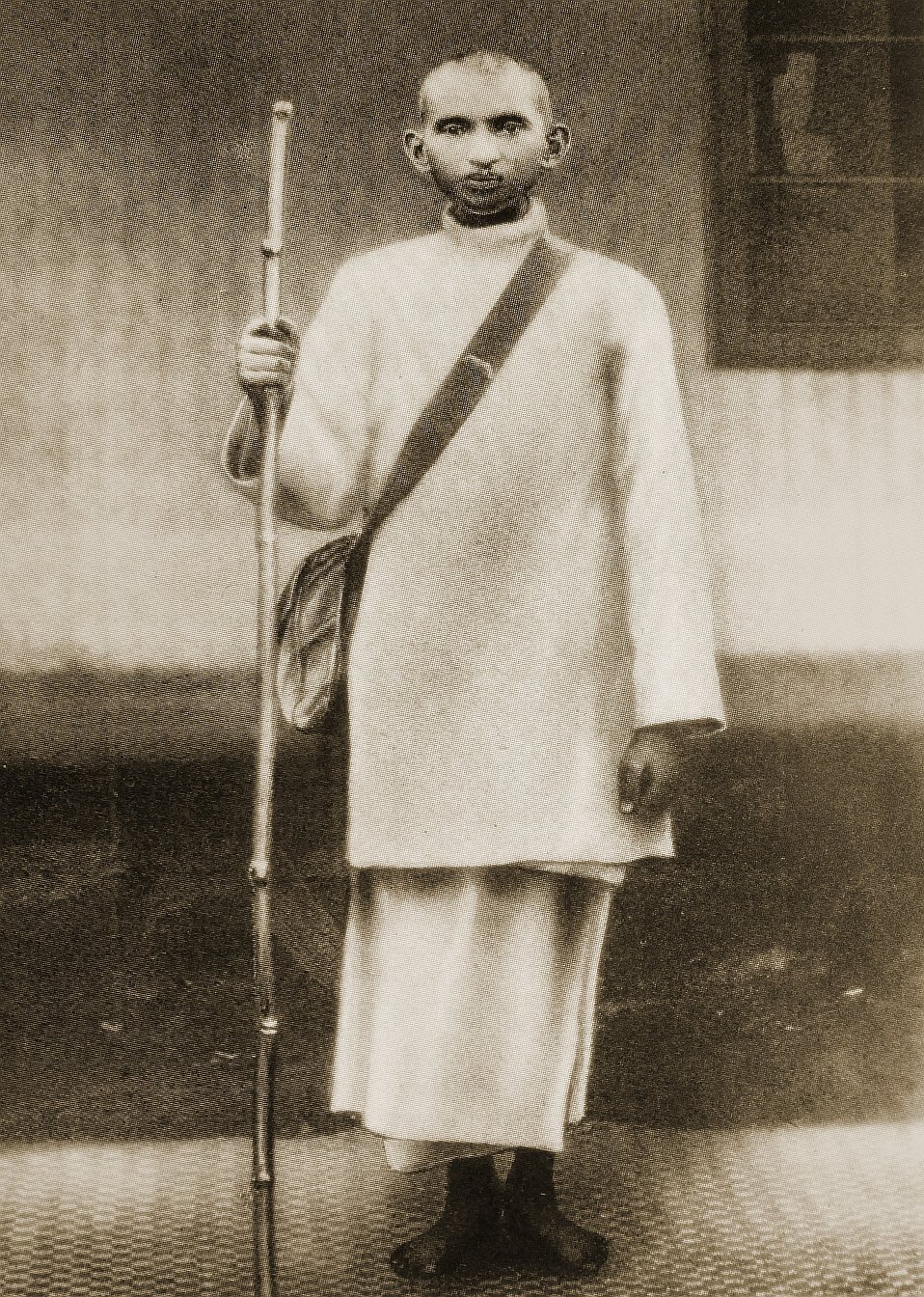
A lawyer is arrested leading two thousand miners across a border on foot
Gandhi was arrested on 6 November 1913 while leading more than 2,000 Indian mineworkers from Natal into the Transvaal in deliberate breach of the law. It was the first time he used mass non-violent defiance on that scale, and it worked: the government conceded within a year. He took the method to India four years later.
-

A composer dies nine days after conducting a symphony he called his best work
Tchaikovsky died in St Petersburg on 6 November 1893, nine days after conducting the first performance of his Sixth Symphony, the Pathetique, which was received coolly. The official cause was cholera from unboiled water. Rumours that he was made to take poison over a scandal have circulated ever since and have never been proved.
-

An instrument maker is born who will invent a horn named after himself
Adolphe Sax was born in Belgium on 6 November 1814 and patented the saxophone in 1846, meaning to bridge the gap between brass and woodwind in military bands. Rival makers fought him through the courts for decades and he went bankrupt three times. As a child he survived falling down stairs, swallowing a pin and a gunpowder explosion.