What happened on November 12
All 5 specimens from this file, spanning 1035 to 1948, with the story behind each photograph.
Reveal the full answer key
-
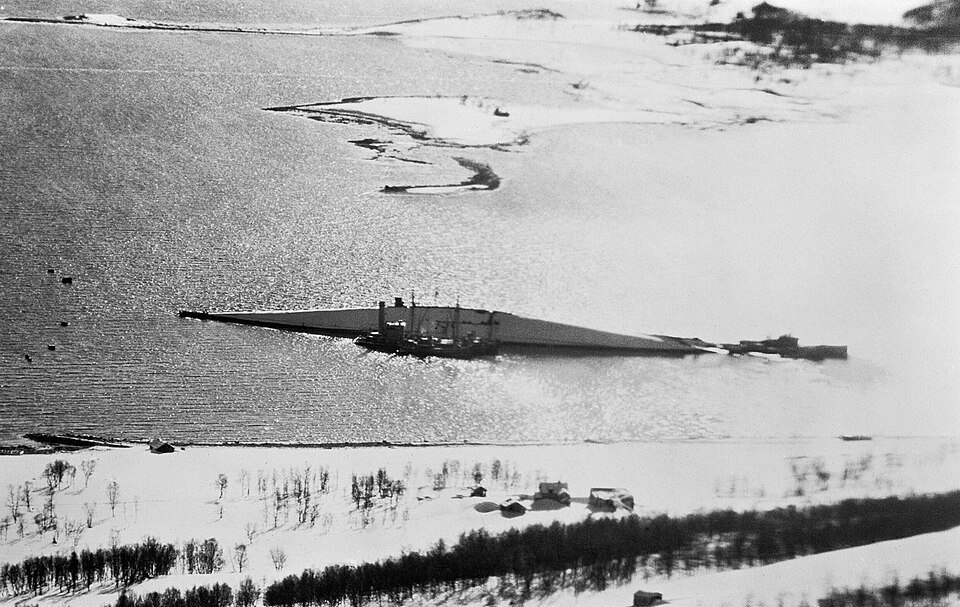
A battleship that barely fired a shot is finally capsized by six-ton bombs
RAF Lancasters capsized the Tirpitz off Tromso on 12 November 1944 with Tallboy bombs, after more than a dozen earlier attempts by aircraft, midget submarines and commandos. She had spent most of the war hidden in Norwegian fjords, tying down British forces by existing. Around 1,000 of her crew died.
-
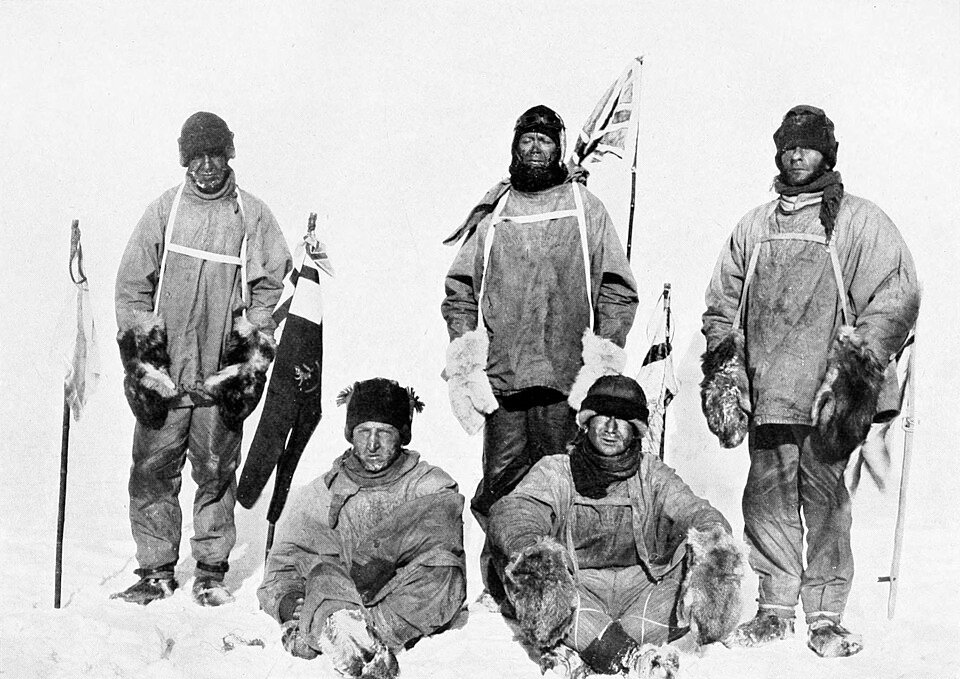
A tent is found in the ice with the bodies of men who came second to the Pole
A search party found Scott's tent on 12 November 1912 with the bodies of Scott, Wilson and Bowers inside, along with their diaries and 16 kilograms of rock samples they had hauled to the end. They had reached the Pole on 17 January to find Amundsen's flag already there, and died on the return march, eleven miles short of a depot.
-
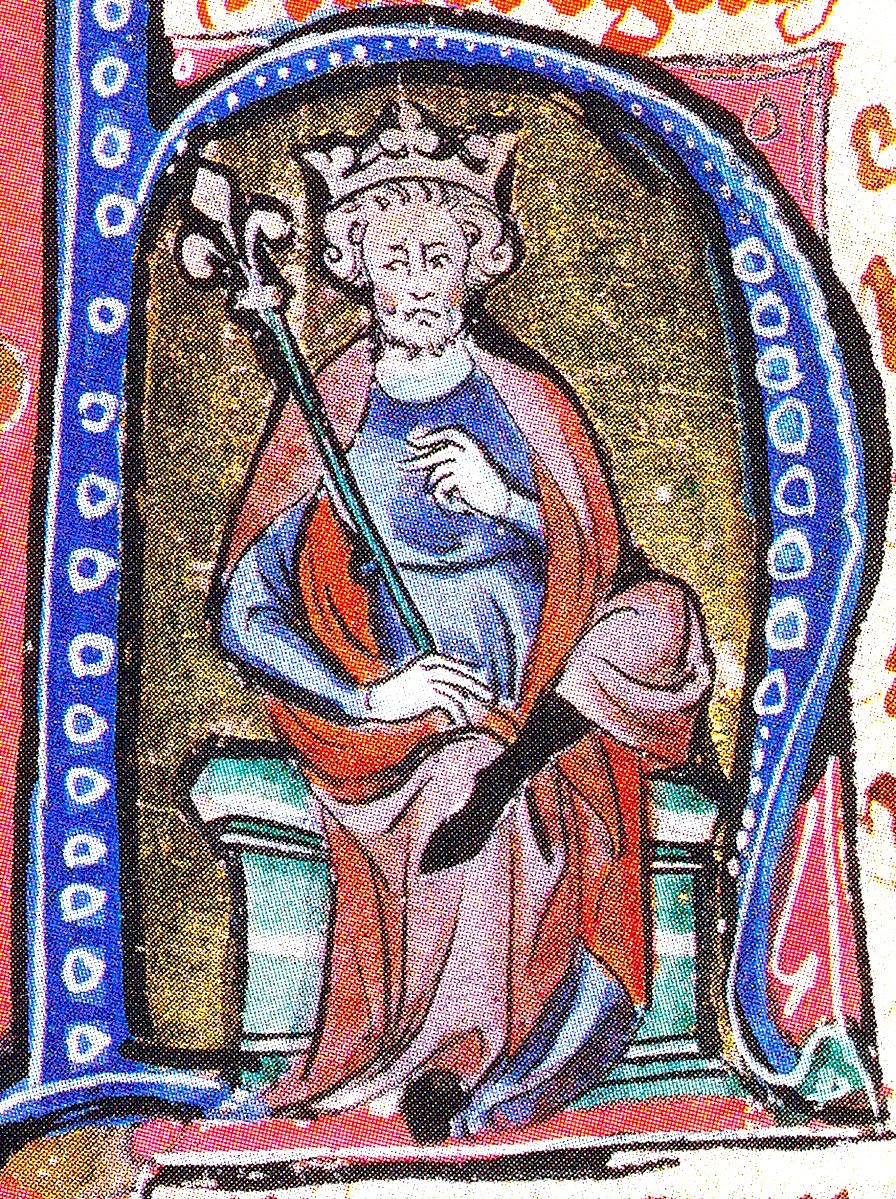
A king who ruled England, Denmark and Norway dies at about forty
Cnut the Great died at Shaftesbury on 12 November 1035, ruler of England, Denmark and Norway. The story of him ordering back the tide was told a century later and meant the opposite of how it is usually used: he was demonstrating to flattering courtiers that his power was nothing beside God's. His North Sea empire fell apart within seven years.
-
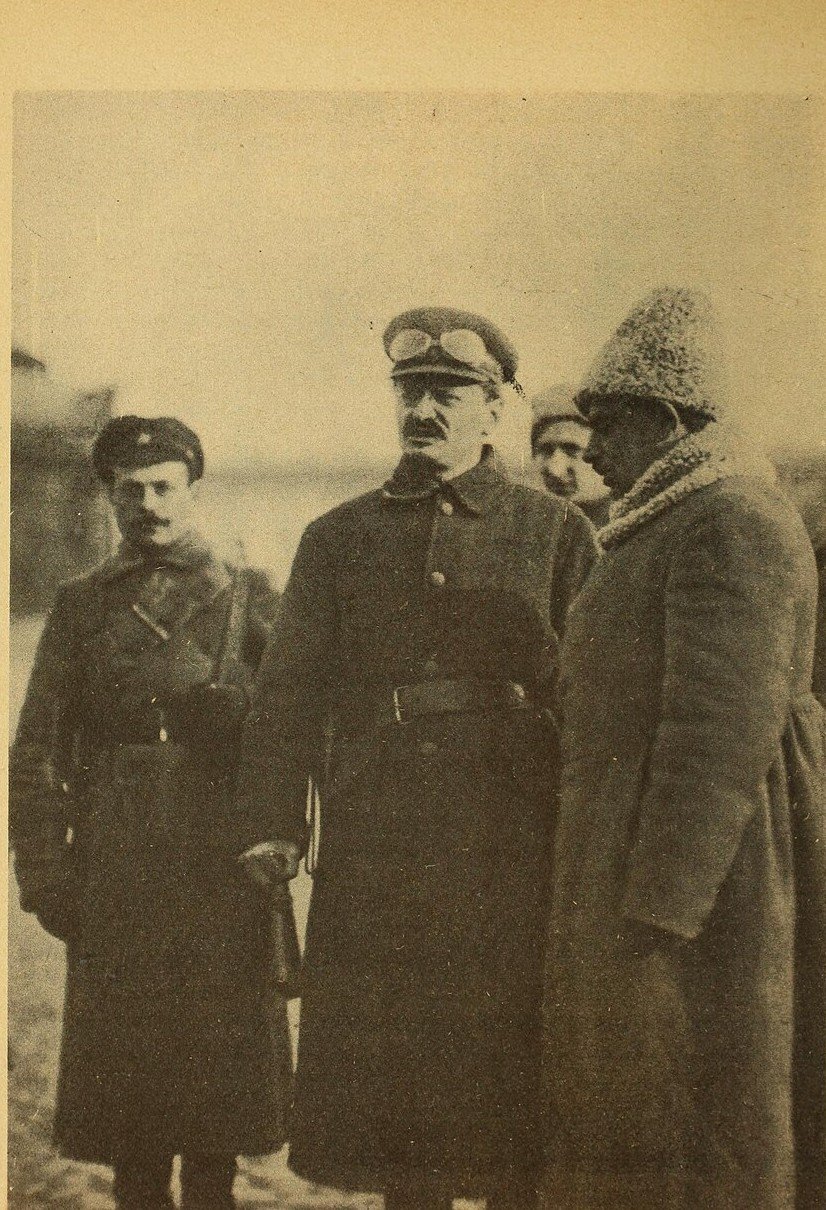
The man who built the Red Army is expelled from the party he helped create
Trotsky was expelled from the Communist Party on 12 November 1927, having lost the struggle with Stalin to succeed Lenin. He was exiled to Kazakhstan, then deported, and spent eleven years moving between countries that did not want him. A Soviet agent killed him in Mexico City in 1940.
-
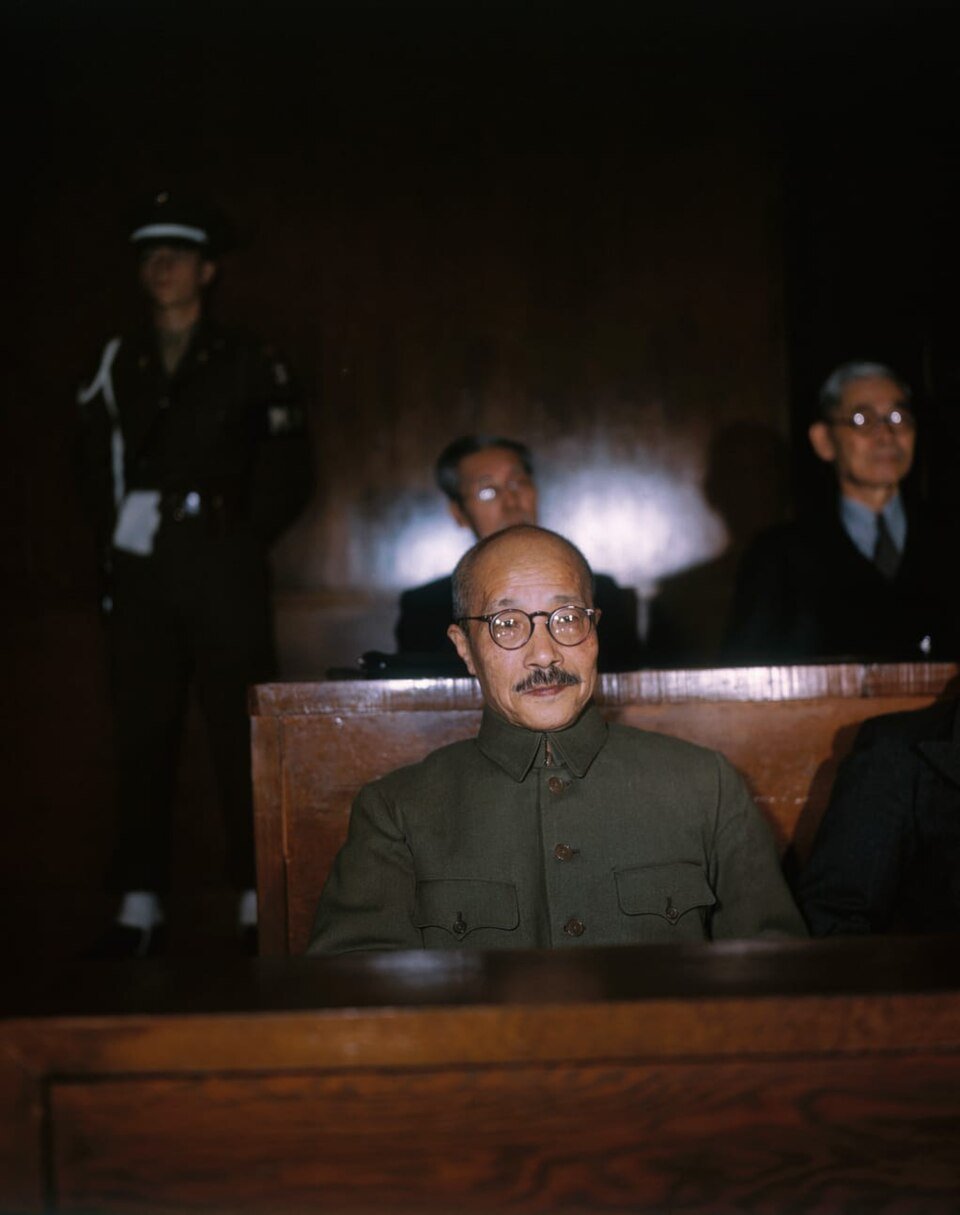
A wartime prime minister is sentenced to hang by an international tribunal
Hideki Tojo was sentenced to death on 12 November 1948 by the International Military Tribunal for the Far East, along with six others. He had tried to shoot himself when arrested and was saved by American doctors. The emperor in whose name the war was fought was never charged, a decision taken in Washington to keep the occupation stable.